Are Chinese Medicinal Herbs a good fit for people with insomnia issues?
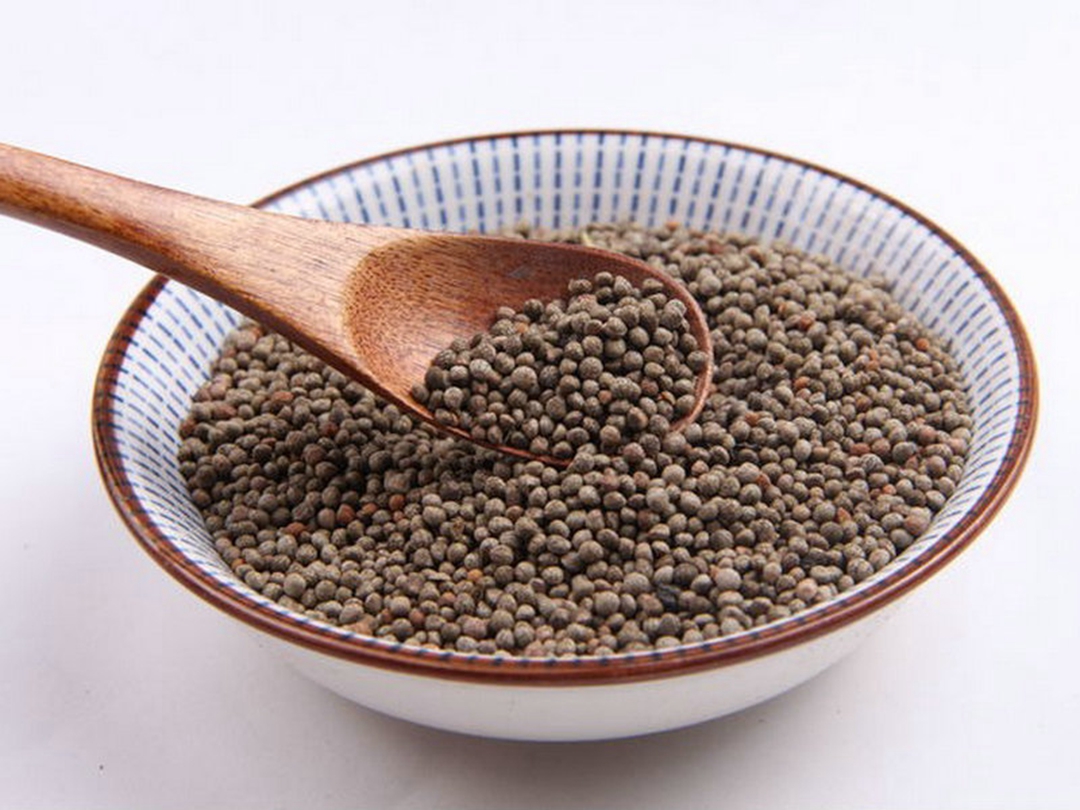
Launching a quest among Chinese green care unveils a domain of steadiness and weighty intelligence.
Adopting diverse vegetal pieces such as stems, leafage, flowers, grains, and even earth materials, combats the basic causes of ailment while enhancing durable wholeness. Discussing with a knowledgeable practitioner is vital before initiating any herbal regimen.
The power of tradition: exploring ancient Chinese healing herbs
For centuries, age-old Traditional discipline has capitalized on a immense and elaborate insight of the biological domain, particularly its remarkable range of flora. This age-old routine, passed down through heritage, harnesses these impactful elements – like ginseng, astragalus, and turmeric – to rebalance the body’s vital essence, known as Qi. The doctrine behind their utilization isn’t simply about curing indications; it’s a inclusive approach aimed at handling the fundamental source of affliction, operating with the body’s intrinsic ability to repair. Many up-to-date investigators are now commencing to investigate and corroborate these time-honored Chinese compositions finding evidence buttressing their potency, unveiling the permanent force and important awareness held in this historic organization of remedial care.
Ancient Botanicals: Good Points, Uses, and Safety Issues
For ages, Heritage healthcare have exploited a extensive collection of medicinal plants for controlling various diseases. These faunal remedies, sourced from wide-ranging regions, are considered to stabilize flow within the system. Common operations encompass strengthening the body's defenses, lessening inflammation, and strengthening digestive operation.
- Some herbs tend to be used in complex formulas adapted to the individual's singular state.
- Commonly selected herbs like ginseng, ginger, turmeric, and astragalus supply assorted potential benefits.
- When appropriately used, Chinese medicinal herbs are sometimes hazardous.
Ancient Chinese Herbal Medicine: The Method It Works & Different Conditions It Treats
Traditional Chinese Medicine (TCM) herbalism is a sophisticated system of treatment that’s been practiced for many years. Rather than addressing particular expressions, TCM understands the body as an complete structure and works to regain balance to its vital vitality, or "Qi" (pronounced “chee”). Medicinal mixes are deliberately prepared by accomplished experts who consider a patient’s exclusive state of abnormalities – observing factors like circulatory assessment, oral review, and complete medical summary. The herbs themselves aren’t seen as simply fixing a illness; instead, they try to remedy the primary basis through multiple methods, including enhancing bodily systems, moving stagnation, and building up lacks.
- Supports Qi
- Adjusts systemic organs
- Disperses barriers
Examining Traditional Chinese Herbal Medicines for Best Vitality
For centuries, Traditional Chinese Medicine (TCM) has exploited a large assortments of herbs to encourage health. These green medicines, intentionally harvested and blended, offer a exclusive approach to treating the initial sources of instability within the body. Researching these strong botanicals—like ginseng, astragalus, or goji berries—can be a fruitful venture toward acquiring optimal health and regaining your basic evenness. Many users are now chasing this historic wisdom to boost modern clinical procedures and undergo the profound benefits these herbs can present. It’s paramount to see a skilled healer before beginning any new phytotherapy schedule.
The Extensive Probe into Common Chinese Botanical Applications
For generations, Chinese therapies has harnessed a vast selection of natural formularies, and many remain greatly popular today. Panax Ginseng is perhaps the most well-known, believed to amplify energy levels and overall vitality. Then there’s Tumeric root, increasingly celebrated for its potent inflammation-fighting abilities, often combined with dark spice to boost absorption. Radix astragali, another significant herb, is thought to strengthen the immune system and support healthy lung function, while Lycium barbarum are valued for their oxidative protection and contribution to eye health. These are just a few examples of the beneficial plants used in this ancient discipline – each with its own unique chronicle and applications.
Connecting Heritage Herbalism with Contemporary Treatment
The expanding interest in alternative approaches to balance has fueled a major exploration of uniting Chinese natural remedies with systematic healthcare. This growing field tries to make use of the exclusive strengths of both systems, potentially upgrading patient outcomes for a extensive set of problems. Investigators are increasingly probing ways to prudently incorporate these age-old practices, often alongside regular medical treatments, while understanding the importance of research-backed protocols and patient safety.
Grasping the Basics Behind TCM Herbal Combinations
Analyzing Traditional Chinese Medicine’s (TCM) herbal systems demonstrates a captivating system far beyond simply combining herbs. The framework of TCM formulation lies in acknowledging the intricate correlation between yin and yang, the Five Elements (timber, fire, earth, metal, water), and the patient’s personal constitution. Each herb possesses individual properties – its vital essence (warming, cooling, moistening, drying), gustatory note (sweet, sour, bitter, spicy, salty), and meridian affinity – which steer how it relates Traditional Herbal Medicine to the body. Master herbalists diligently analyze these factors to formulate a balanced formula; one where herbs function collectively to attack the primary reason of an problem rather than merely covering up manifestations.
- Activity Balance: Preparations target a complementary integration, often joining warming and cooling herbs or moistening and drying ones.
- Pentad Principle: This controls the determination of herbs to rectify aberrations within this rotational framework – for instance, using fire-element herbs to support earth-element deficiencies.
- Singular Approach: A specific illness (like a headache) may be treated with completely different herb compilations depending on the patient’s underlying pattern (increased heat, deficiency cold, etc.).
The Science Combines With Tradition: Research on Oriental Medicinal Green Medicines
For ages, classic Chinese medicine has employed a comprehensive assortment of herbs to handle various complaints. Now, modern science is launching examinations into these practices, making use of sophisticated techniques to verify the power and translate the processes behind them. Scholars are analyzing the material bases of these herbs, inspecting their impact on molecular pathways, and seeking to pinpoint active elements that can be further developed into fresh drugs. This fusion of knowledge from preceding practices and contemporary scientific rigor promises to open a heightened awareness for the promise of Chinese medicine while also bolstering responsible and research-backed approaches to its employment.