Dissecting versatile motherboard performance Are embedded system latency factors better minimized in x86 than arm SBCs
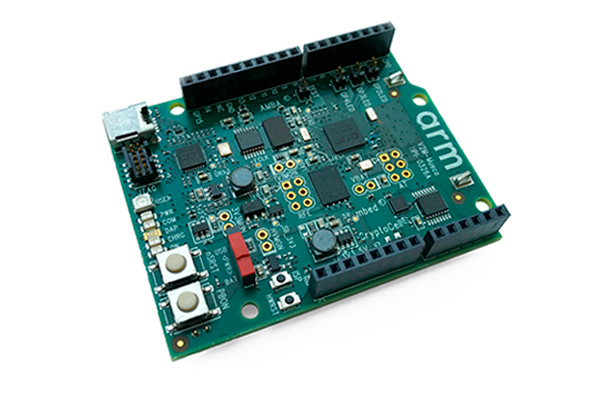
Across numerous decades, the computing landscape has been shaped by two prominent schemas: x86 and ARM platforms. Each system exhibits exclusive benefits, leading to a energetic fight for marketplace control. While x86, the senior technology, has long held the crown in laptop and mainframe segments, ARM's ascendancy is extremely impressive.
ARM's low-energy competency, coupled with its multifunctionality, has made it a leading choice for portable gadgets and integrated solutions. However, ARM is now targeting to conquer new zones, including laptops and data centers. The drive has inspired the existing x86 powerhouses, who are answering by enhancing features to maintain dominance.
- Fundamental contrasts in their designs affect software efficiency, power consumption, and overall system design.
- The advancing necessities of software makers are driving the demand for more powerful computing solutions.
Thus, the confrontation between ARM and x86 portrays an energetic and transforming scene, with both platforms continuously evolving to meet the demands of a rapidly changing world. The outcome of this fight remains to be seen, but one thing is certain: the future of computing will be shaped by the innovations and advancements of these two titans.
best x86 sbcAssessing ARM vs. x86 on Performance Grounds
Throughout the regularly updating software domain, selecting the prime chip configuration can be a tricky challenge. Two titans dominate the market: ARM and x86. Both offer compelling advantages, but their performance details diverge significantly. This thorough analysis delves into the fundamentals of each architecture, empowering you to make an informed decision.
- Processing
- Energy Demand
- Price
Our investigation covers performance metrics, real-world situations, and the strengths of each architecture, helping you pinpoint which platform best suits your needs.
Reasons ARM Outperforms x86 in Embedded Markets
ARM cores continue to excel in embedded equipment domains. This expansion arises from important underlying causes. First, ARM's configuration excels in energy conservation, making it ideal for devices with limited power budgets. Second, the ARM ecosystem provides a broad and energetic alliance of developers and hardware partners, providing ample support and advancement. Finally, ARM's accessible framework permits adjustments for distinct purposes, leading to a wide range of offerings. These factors have merged in securing ARM as dominant for countless embedded devices, from smartphones to smartwatches and even industrial equipment.
Premier x86 SBC Models for Intense Workloads
Picking the optimal x86 single board system is complex, especially when you're a expert operator. You need a device that can perform robust functions, offer powerful execution, and provide a platform for complex endeavors.
- Different points matter for finding the finest SBC, including processing power, RAM capacity, storage options, connectivity features, and community support.
- For true power users and professionals, a board with a potent CPU resembling Intel i5 or Ryzen 5 is essential.
- In addition to abundant RAM and swift disk features need for smooth and efficient operation.
Refrain from settling for bare essentials; invest in a platform that can entirely facilitate your tasks.
In-Depth Survey of x86 Single Board Technology
Understanding affordable x86 single board tech opens new horizons. These portable machines offer immense resources for experimenters. From building digital homes to software ecosystems, x86 SBCs provide a dynamic, affordable ground for experimentation. This guide will provide insights into the flourishing x86 SBC sector, bringing to light qualities of these exceptional components.
- Uncover the evolution of x86 SBCs shaping the digital framework.
- Investigate prevailing x86 SBC units highlighting specs and intended clientele.
- Understand crucial peripherals making up x86 SBC architecture.
- Explore software environments for x86 SBCs encompassing OS and programming resources.
- Showcase inventive solutions leveraging x86 SBCs across industry verticals.
Shift Towards ARM Dominance Across Desktop Platforms
While usually acknowledged for handheld device prevalence, ARM architecture is steadily making inroads within PC segments. Several factors contribute to this shift, including the increasing demand for energy-efficient computing and the growing popularity of cloud-based applications. Manufacturers including Apple integrate ARM cores in portable computers, demonstrating the potential for high capability. This trend is further fueled by the development of new schematics specifically tailored for desktop workloads. As these innovations mature and become more widely available, we can expect to see ARM's presence advance greatly over next phases through desktop technology realms.
Evaluating x86 against ARM For Optimal System Performance
Upon deciding on a system, two pivotal architecture types exist: x86 and ARM. Both offer distinct profits, making the decision a matter of fitting your needs with the right platform.
Long-established x86 architecture is respected for formidable speed coupled with a huge software library It manages in desktops, laptops, and workstations, particularly for demanding tasks like gaming or video manipulation. ARM, on the other hand, prioritizes energy efficiency and a compact design. This renders it ideal for mobile devices, embedded systems, and increasingly, network hosts.
- Think about your main application reason: Are you a specialist? Do you need raw power or streamlined energy consumption?
- Analyze software suitability between platforms. Not all applications are available on both platforms.
- Factor in the cost and availability of devices based on your chosen architecture.
Minor but Potent Mainstream ARM Boards
Single board machine sector boomed with ARM platforms favored for adaptability and resourcefulness. These compact platforms pack a surprising punch, offering incredible capabilities within a diminutive footprint. For hobbyists, makers, and even professionals, ARM-based SBCs provide a economical platform for everything from learning about electronics to building fully functional projects. Whether you're looking for a budget-friendly option or a high-performance powerhouse, there's an ARM-based SBC out there to meet your needs.
- Investigate notable participants throughout this prosperous market!
Evaluating ARM against x86 Performance Results
Placing ARM against traditional x86 schematics in testing yields compelling data. While x86 has traditionally excelled in operational force, particularly for heavy workloads, ARM configurations tirelessly bridge divides, especially in areas like mobile performance and energy efficiency. The recent surge in popularity of ARM-based silicon used on mobile and desktop hardware further fuels this struggle. It's important to note that benchmark results can be controlled from assorted sources, including the specific model being tested, the software workload, and even the operating system. Therefore, it's crucial to appraise measurements focusing on full circumstances.
Is ARM Becoming Dominant Over x86 as Standard
The electronic sector perpetually adjusts, and one of the most absorbing progressions show ARM's broad adoption. While x86 has long held sway the market, ARM's operational thrift gains accelerated popularity. This has led to considerations that ARM might eventually replace x86 as the dominant architecture.
- Countless influences stimulate this evolution: ARM's eco-friendly design benefits mobile appliances, ultramobile computers, and cloud hosts.
- In addition, ARM's explorable patent system promotes advancement among developers, leading to a diverse selection of processors.
Although ARM rises, x86 keeps a powerful presence. Major manufacturers continue to invest heavily in x86 development, and previous frameworks persist across corporate landscapes.
To sum up, it is ambiguous whether ARM will exclusively overshadow x86. The computational future involves collaboration between ARM and x86, with each contributing separately to unique usage domains.
Prospects for ARM and x86 Integration in Technology
The computational framework experiences dynamic evolution. Once distinct architectures, ARM and x86 are now on a collision course, converging to reshape the future of processing power. This convergence offers promising breakthroughs for developers and consumers alike. ARM's energy efficiency and compact design have made it the dominant force in mobile devices, while x86 has long reigned supreme in desktops and servers. However, the boundaries are fading, driven by factors such as the increasing demand for mobile computing and the rise of cloud services.
- This convergence will likely lead to a more diverse range of devices, powered by hybrid architectures that exploit merits within both CPU types. This could result in stronger handheld devices lasting longer along with resource-saving server units.
- Additionally engineers receive broader technological resource collections, enabling them to create innovative applications that extend innovation scopes. The future of computing raises hopeful expectations, with ARM and x86 convergence playing a pivotal role in shaping the next generation of technology.