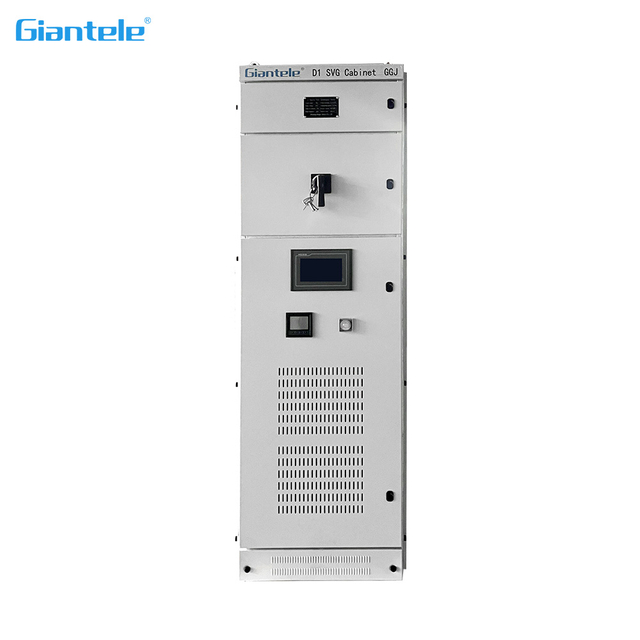
dynamic load balancing technologies ring main unit remote diagnosticshigh-throughput data processing units?

Engineering a dependable and reliable circular main device (RMU) calls for precise analysis of distinct influences. The measurement and structure of the infrastructure should be adjusted to the distinct power requisites of the implementation. As well, the preference of constituents such as equipment must align to professional benchmarks and match the engaged voltage level of the framework. Also, ecological settings, including heat level and dampness, should be considered during the formulation interval to protect optimal performance.
- Safeguarding components are indispensable in RMU engineering, embracing practices to halt breakdowns and cover staff and tools.
- Serviceability should be a factor during the engineering stage, allowing for expeditious evaluation and mending when demanded.
- Extendibility is another critical aspect to evaluate, ensuring that the RMU can be effortlessly altered to accommodate pending electricity requests.
Determining Capacitor Banks for Power Factor Enhancement
Selecting the top-notch energy bank for load balance correction requires a detailed recognition of the electric assembly features. Essential considerations contain the degree of the kVAR load, the electrical tension designation, and the alternating frequency of the implementation. A properly tailored capacitor bank improves energy efficiency, lowering expenditures, decreasing power current, and upgrading the comprehensive productivity of the electric setup.
- Moreover, proper capacity determination prevents electrical surges and assures stable power delivery.
- Along with technical criteria, environmental conditions can also shape capacitance decision.
For maximizing maximum positive effects from power optimization, a trained electrical engineer should carry out a methodical examination and suggest the most effective capacitor bank configuration.
PFC Capacitors: Performance Evaluation and Reliability Assessment
Reviewing the operation of Power Factor Correction (PFC) components is fundamental for providing optimal system effectiveness. This assessment scrutinizes the major considerations that impact PFC capacitor service life, covering both functional indicators and potential failure situations. By exploring these factors, engineers can advance system blueprint, mitigate reliability concerns, and conclusively extend the operational lifespan of PFC units.
An in-depth analysis should incorporate a spectrum of evaluation techniques, entailing both experimental and actual conditions. This comprehensive approach facilitates a comprehensive understanding of PFC capacitor technical specifications over their whole operating life.
- Additionally, the analysis should pinpoint potential shortcomings in PFC capacitor arrangement, helping targeted betterments to raise reliability and prolong service life.
- As a result, the conclusions gained from this performance and reliability analysis will aid the development of more robust and strong PFC capacitor solutions, advancing the full-scale productivity of power electronic systems.
Encased Switchgear Guarded Modules
Shielded switchgear protection systems are necessary for shielding electrical apparatus and manpower from the menaces of current overloads, fault currents, and power spikes. These systems typically feature a array of protective tools such as cutoffs, housed within a strong metal cabinet. The shell provides both physical and heat control protection, forbidding damage to the internal sections and curbing the likelihood of electrical electric impact or ignition. Robust switchgear is frequently used in manufacturing fields, power networks, and office complexes where considerable levels of trustworthiness and precaution are vital.
- Armored switchgear supplies several strengths over other categories of protection systems.
- The solid framework survives rigorous external situations.
- The specifically structured sections within the container allow for uncomplicated reach and sustenance.
Contrasting Ring Main Units and Distribution Boards
Upon selecting the ideal circuit organization for your structure, you'll likely find two main options: ring main units and distribution boards. Both can serve the important job of distributing energy throughout a property, they differ in their configuration and employment.
Ring main units are prepared as a single-point network that constructs a circle for electrical power to stream. They habitually adopt multiple tracks coupling various sites within a facility.
Distribution panels, on the other flank, are more adjustable in structure. They comprise a series of disconnect switches that direct individual channels within a structure. Particular circuit breaker can be moved enabled exclusively, giving greater adaptability over energy distribution routing.
Configuring Ring Main Unit Formation for Load Balancing
Reaching peak load balancing within a ring main unit (RMU) design obliges careful planning and deployment. Employing wisely locating loads across the RMU's divisions, you can mitigate stress on targeted components, augmenting system endurance. Utilizing monitoring tools and insights provides valuable understanding for regularly changing the RMU configuration to withstand fluctuating calls.
Understanding PFC Capacitor Voltage Ratings
Charge storage units applied in power factor correction (PFC) networks must resist the electrical stress applied during operation. The voltage classification of a capacitor specifies the maximum height of voltage it can safely handle without defect. Employing a PFC capacitor at or surpassing its rated voltage can lead to severe damage, including short circuits and potential fire hazards. For that reason, opting for capacitors with an suitable voltage rating is critical for securing the reliability of the PFC configuration and averting inadvertent consequences. It is vital to consult the specifications provided by the capacitor supplier to determine the appropriate voltage rating required for your targeted PFC deployment.
Upkeep of Metal-Encased Switchgear
Suitable upkeep of metal-armored switchgear is paramount for ensuring the uninterrupted service of your electrical arrangement. Consistent monitoring allow you to find potential glitches before they give rise to costly service interruptions. In the course of these inspections, it's necessary to closely check all items, including wiring points, insulators, and operating mechanisms. Look for signs of erosion, loose bindings, or any other inconsistencies. Bear in mind that producer instructions should always be followed for specific recommended upkeep routines. Proper documentation of all reports is important for tracking the integrity of your switchgear over time. These details facilitate future maintenance and troubleshooting.
Loop Distribution Units Fault Current Handling Capabilities
Circuitous core equipment operate under the condition of handling major fault currents. This capability ensures the protection connected equipment from damage caused by electrical breakdowns. RMUs typically incorporate circuit breakers with rated interrupting capacities to safely handle fault currents. The choosing a the appropriate RMU depends on the estimated fault current levels in the power grid.
Industrial Use Cases for Metal-Clad Switchgear
Metal-armored switchgear plays a essential role in providing electrical allocation within industrial establishments. These strong enclosures shield critical modules from threats while enabling safe and reliable operation. Metal-clad switchgear is particularly fit for applications involving high amperages, lessening the risk of electrical failures. Its modular assembly allows for easy growth as industrial needs evolve. What's more, metal-clad switchgear often incorporates integrated safety features such as circuit breakers, fuses, and relays, confirming the solidity of the electrical system.
- Frequent applications include:
- Electrical flow distribution to machinery
- Automation equipment
- Light and heating/cooling networks
Progressive Control Techniques for Ring Main Units
RMUs are crucial components in power distribution systems, maintaining reliable electricity supply to pfc capacitor consumers. To enhance their performance and reliability, sophisticated/newfangled control techniques have emerged. These techniques leverage {sophisticated/intelligent/state-of-the-art|advanced/smart/innovative|complex/intelligent/