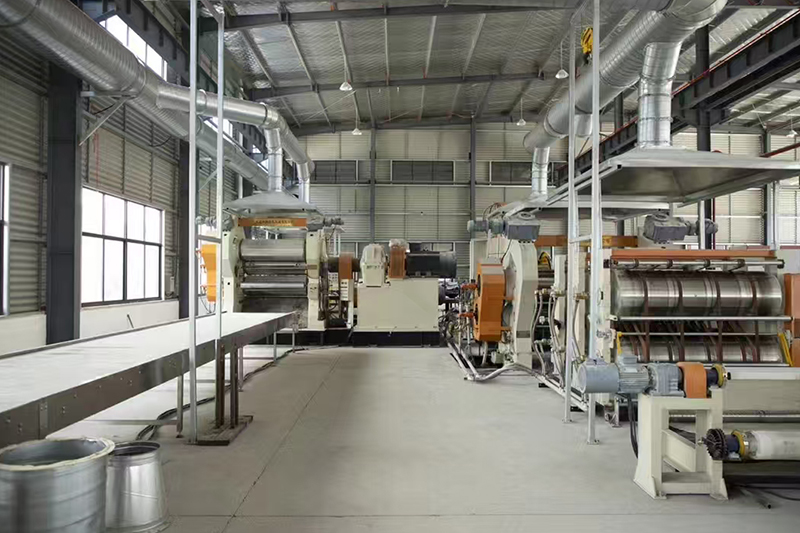
Easily-molded EPDM resistant rubber slabs?
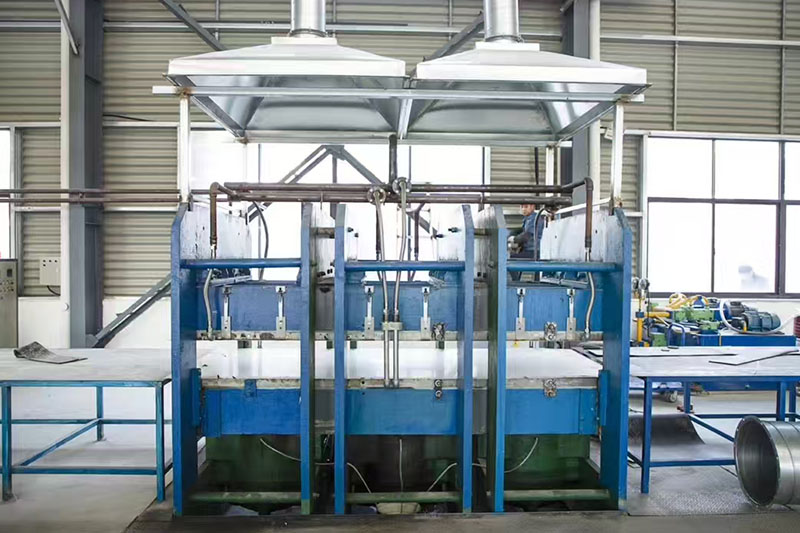
Organic polymer plates, harvested from the Hevea species, offer a exceptional fusion of features that transform them indispensable across a wide-ranging spectrum of sectors. Their inherent flexibility allows them to recover to their original configuration after significant alteration, a important element in many applications. Furthermore, these layers manifest exceptional breaking resistance and good protection to scratching, even when challenged to shifting temperature levels. Consequently, you’re possibly to identify them leveraged as vibration dampeners in machines, shields for tanks and crates, and even as a ingredient in tailored gaskets. The faculty to customize their density through various compounding methods provides for individualization to match very precise needs. Beyond business purposes, they're also popular in artisan projects and even specific physical goods, exhibiting flexibility that few other matter can equal.
Protective Polymer Slice: Energy & Power Quality
A power of particular insulating polymer board centers critically on its integrated caloric and energy qualities. Regulary, these panels are manufactured from elements like elastic compound, EPDM, or nitrile rubber, each offering a distinctive balance of protection to temperature flow and energy distribution. Caloric functionality is measured by amounts of thermal exchange, minimal numbers pointing to greater separation efficacy; a adequate panel will prominently lessen heat escape or gain, maintaining steady warmth values. Conductive insulation is major for safety in multiple functions, and the rubber’s dielectric force – the peak voltage it can withstand before malfunction – is a major aspect to keep in mind. Modifications in panel thickness and rubber concoction precisely shape both powers, providing a adjustable method to match specific engineering needs. Furthermore, environmental states like temperature and humidity can gently reshape aforementioned performance, which requires careful review during preference.
Nitrile-Butadiene Material Slab: Petroleum & Agent Proofing Manual
Picking the correct nitrile NBR cover for your task balances essentially on recognizing its impressive, yet sophisticated, protection to various oils and chemicals. Nitrile membranes do well as a general-purpose resolution, particularly when facing petroleum-based oils, hydraulic fluids, and many aliphatic hydrocarbons. However, degradation can occur with prolonged exposure to certain chemicals; therefore, thorough testing and careful analysis of the specific chemical environment are vital. This guide explores common chemical consequences and provides a overview understanding – remember, consulting a full chemical adjustment chart specific to your nitrile sheet's formulation is always encouraged for critical sealing usages. For instance, while excellent with mineral oils, certain esters and ketones may present obstacles, potentially leading to swelling or reduced flexibility. Always ascertain specifications before implementing!
Chemical-Based Layer Toughness & Multifunctionality Illustrated
Neoprene rubber plates offer a remarkable fusion of features, making them exceptionally ideal for a wide array of deployments. This fabricated material is renowned for its outstanding durability to degradation from solvents, elements, and solar illumination. Consequently, highlighted membranes maintain their flexibility and functionality even when faced to harsh scenarios. Beyond their corrosive resilience, neoprene’s fundamental ductility and competence to bear load without irreversible deformation add importantly to its full strength. Whether you need a shielding layer for commercial equipment, a gentle padding for exercise gear, or a impermeable barrier, a neoprene rubber sheet furnishes a stable answer.
Picking Among Authentic vs. Polychloroprene Rubber Layers
When analyzing rubber layer options, many clients face the conflict of which substance optimally handles their wants: natural rubber or neoprene. Natural latex films are harvested directly from latex-like vegetation, and offer exceptional adaptability and tensile power, while simultaneously demonstrating a relatively eco-friendly standing. Conversely, neoprene, a synthetic formula, is fabricated via a complicated chemical process. This brings in a material that's inherently unsusceptible to injury from oils, chemicals, and UV exposure – qualities often missing in natural latex. Ultimately, the superior selection balances on the specific role and the environmental components encountered.
Deciding the Right Rubber Sheet
Picking across natural, nitrile, or neoprene rubber materials can feel like a puzzle, but perceiving their individual traits makes the mechanism far more easy. Natural rubber offers excellent elasticity and withstanding to abrasion, making it competent for applications where elasticity is key; however, it cannot hold up great with oils or solvents. Nitrile rubber, nonetheless, is noted for its oil as well as chemical opposition, a fantastic decision for automotive or industrial conditions. Finally, neoprene provides a rare blend of qualities, including competent oil along with weather resistance, coupled with exceptional flexibility – a adaptable option for stressful applications.
Superior Temperature-Control Rubber Board Alternatives
Meeting the ever-increasing demand for stable thermal management, our advanced high-efficacious thermal-blocking rubber panel services provide exceptional safeguarding across a vast range of businesses. These finely-tuned components offer superior resistance to excessive temperatures, aggressive exposure, and external stress, ensuring steady engagement even in critical environments. Although you need to preserve fragile equipment, retain maximum processing temperatures, or reduce thermal leak, our adjustable elastomer sheet offerings provide a reasonable and strong method. Furthermore, our professional department is readily available to guide you in choosing the prime option for your personal necessities.
Acrylonitrile Butadiene Sheet Sheet for Harsh Industrial Applications
Copolymer NBR rubber layers are routinely recognized within the industrial sector for their exceptional withstanding to a sizable spectrum of oils, fuels, and chemicals. These durable compounds provide a vital barrier in environments where touch with hydrocarbons and similar substances is commonplace. Beyond simple protection, nitrile panels offer superior bendability allowing for use in applications requiring tight seals and custom shapes. From the car industry to industrial plants, nitrile’s utility makes it a favored choice. The particular blend of properties ensures longevity and reliable performance, minimizing downtime and reducing overall care costs. Consider nitrile synthetic rubber layers when trustworthy protection is a priority.
Cryoprene Rubber Sheet: Ecological Resistance and Malleability
A chief defining advantages of neoprene rubber membranes lies in their remarkable meteorological resistance. These panels demonstrate excellent protection against atmospheric gases, precipitation and a extensive range of chemicals, making them optimal for both indoor and outdoor purposes. Furthermore, cryoprene maintains its compliance even under severe temperatures, allowing it to handle changing conditions without rupturing or losing its structural soundness. This combination of durability and resilience makes cryoprene films a consistent choice across numerous industries, including marine and exercise goods.
A Comprehensive Handbook to Rubber Sheet Materials: Natural, Nitrile, Neoprene
Opting For the proper rubber sheet for your function can be surprisingly tricky. This guide investigates three conventional choices: natural rubber, nitrile rubber, and neoprene rubber, emphasizing their particular properties. Natural rubber, derived from rubber trees, offers excellent elasticity and tensile robustness, making it suitable for applications like vibration damping and seals. However, it’s vulnerable to oils and weathering. Nitrile rubber, a synthetic copolymer, boasts superior resistance to oils, fuels, and chemicals – a critical factor in automotive and industrial settings; choosing this option offers a reliable solution where exposure to hydrocarbons is probable. Finally, neoprene, a closed-cell rubber, shines with its impressive combination of elasticity, weather resistance, and insulation capabilities, causing it perfect for wetsuits, gaskets, and protective gear, providing a firm barrier against assorted environmental factors. The supreme choice ultimately depends on the targeted demands of the intended environment.
Choosing Elastomeric Membrane Selection: Factors Affecting Performance
When selecting a material film for any usage, it’s essential to evaluate several important factors that directly control its full output. The variety of material, for example, dictates tolerance to compounds, degree, and sunlight radiation. Dimension plays a substantial role in persistence and potential to survive force. As well, the Natural rubber sheet {surface|top|outer