How can a collectible Yixing Teapot series encourage repeat purchases over time?
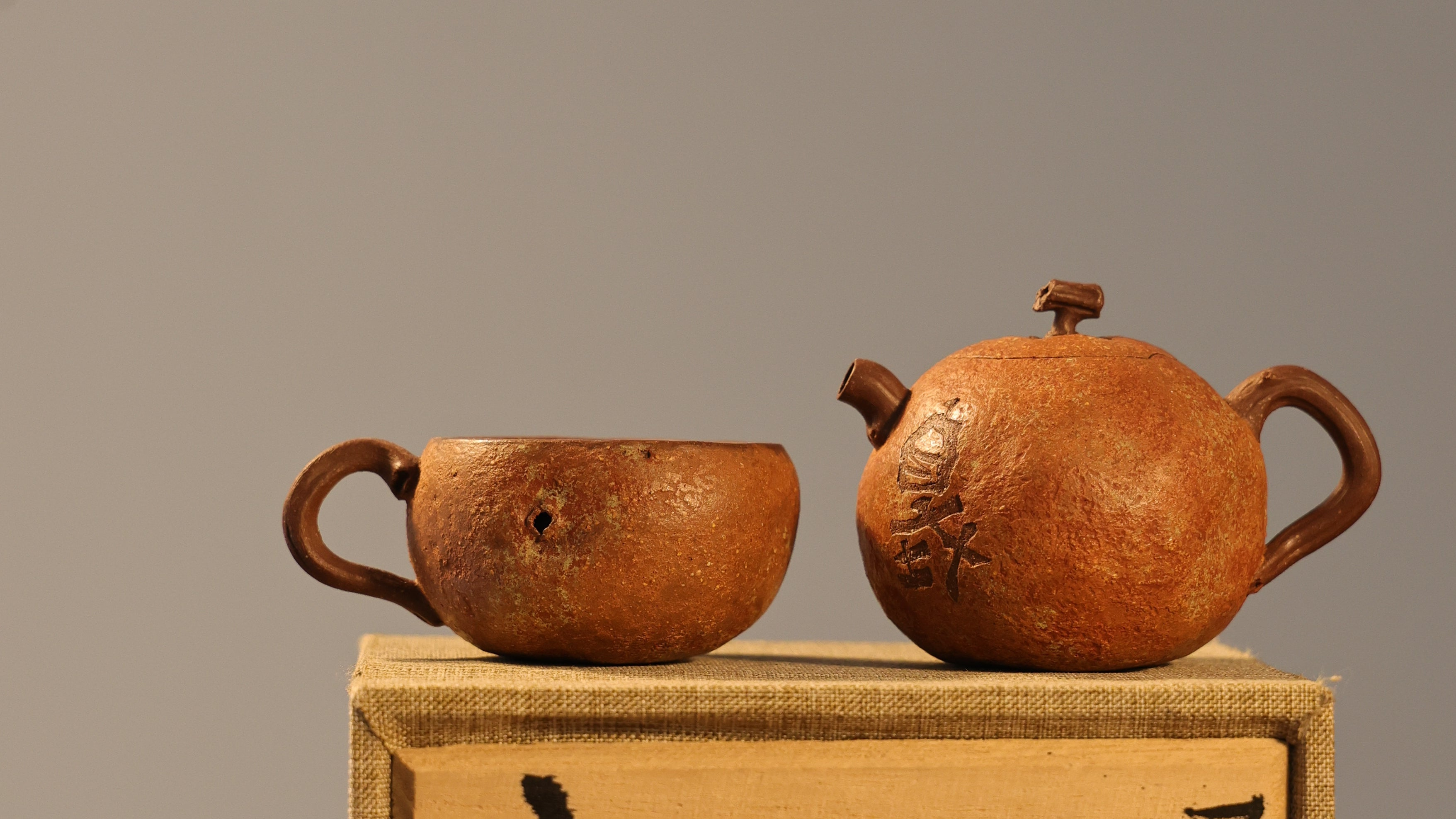
Timeless background characterizes Chinese mugs amid generations,
Reflecting peculiar attributes extracted across local purple soils, these vessels acquire a luster amid employment, boosting savor liberated from prepared liquids.
Acknowledging Yixing Sediment: Exhaustive Insights into Zisha
Diverse devotees acknowledge the distinctive grain of Yixing indigo clay, a bedrock of time-honored Chinese ceramics. Emerging from the Yixing region of Jiangsu province, this rare clay demonstrates an sophisticated mineral arrangement, so that offers superb qualities to the finished vessels. Variants within Zisha, including Zi Mud, Duan Ni Mud, and Jiang Xi Mud, each displays specific tints, patterns, and firing traits, determining the openness and the definitive bouquet growth of the tea.
Celestial Jar Practices: Investigating Expertise
Asian teapots embody exceeding mere vessels for concoction; they signify centuries of traditional sophistication. From the exemplary Yixing clay variations, respected for their breathable nature which infuses individual accents to the tea, to the graceful porcelain from Jingdezhen, each piece expresses a story of craft. The fabrication process is an involved task, often handed over through bloodlines of masters. These experts use vintage methods such as hand-building, casting on wheels, and detailing, demonstrating profound reverence for the foundation and the trade itself. Contemplate the labor invested in each piece as a symbol of Chinese pottery legacy.
- Jiangsu pots: a esteemed choice.
- Porcelain teapots: acclaimed as their fragile design.
- Modeling techniques: a demanding yet beneficial procedure.
Yixing Zisha Pot Care: Safeguarding Your Adored Belonging
Appropriate support of your cherished Yixing Zisha kettle is crucial to enhancing its durability. Crafted from distinct purple sand dirt, these first-rate teapots build a warm patina after use, considerably boosting their allure. Withhold detergents; a delicate rinse with pleasantly warm water is satisfactory. Eschew high temperature water for rinsing the teapot, as it may weaken its body. Allow it to air dry away from strong daylight. Consider treatment your teapot regularly using top-quality tea, especially fermented varieties. Here is a brief manual:
- Wash off with warm water.
- Do not use chemical agents.
- Facilitate it to dry completely.
- Break in with superior tea.
Background of Yixing Teapots: Initial Phases
The saga of Yixing teapots arises modestly during the Ming dynasty, approximately the 16th era. Initially, these earthenwares were not the treasured objects they are perceived today. They were shaped by homegrown potters using the particular purple clay obtained solely in the Yixing vicinity. These early artworks were principally utilitarian, created for habitual performance and often minimal in pattern. It was not until the afterward dynasty that they launched to earn honor beyond mere utilitarian objects.
Deciding On the Best Purple Vessel: A Beginner's Guide
Venturing the territory of Yixing teapots can be complex, but resist resisting! For starters, the key factor is understanding the soil. Authentic Yixing clay is prized for its openness, allowing the teapot to lock in the tea's profile over time, elevating every infusing session. Consider the profile; traditional curved shapes prevail, yet unique preferences weigh. Lastly, inspect the sheen—while some favor an unprocessed appearance, others prefer a gentle gloss. Take your time in the option process—this is an buying in a treasured piece of art.
Traditional Clay Jars and Their Contribution on Chinese Tea Legacy
Zisha jars, hailing from Yixing, China, have profoundly defined enduring Chinese beverage culture. The Yixing clay teapots, prized for their special hue, makeup, and exceptional ability to impart a subtle bouquet to the tea, exist as more than mere holders; they are treasured crafts and symbols of status. The very habit of preparing and serving infusion using a Zisha teapot is steeped in Yixing Teapot history, elevating the experience beyond simple refreshment. Lineages of artisans have honed their techniques, passed down through descendants, resulting in highly sought-after pieces. Because of this, Zisha teapots are frequently gathered, playing a crucial part in cultivating Chinese appreciation for aesthetics and the tradition of tea ceremonies.
- Peculiar Clay Composition
- Imparting Subtle Flavor
- Exquisite Craftsmanship
Identifying Original Valuable Regional Pottery
Procuring a authentic Yixing teapot can be a enjoyable experience, but the market is often plagued with knockoffs. Telling between a certified antique and a recent reproduction requires exact inspection. Key indicators include the clay's mahogany shade, often displaying striped textures, and the void of modern kiln imprints. The design should reveal natural grace, reflecting the traditional Yixing design. Finally, evaluating the artisan's emblem is paramount to verify legitimacy against official testimonies.
- Assess the clay's feel.
- Look for irregularities, indicative of tailored quality.
- Seek an authority for evaluation.
Investing in Chinese Containers: A Informative Guide to Pottery Recognition
The environment of Yixing Zisha pottery affords a special option for insightful collectors. Growing, the cost of these bespoke artifacts is contingent by different attributes, such as the quality of 紫砂, the artistry of the craftsman, the heritage weight, and, naturally, the contemporary appetite. Initiates should invest time on comprehending the numerous types of Zisha clay—such as Binghu, 杜宁, and 紅泥—and getting acquainted with the features linked to each. Careful copyrightination of the teapot's form, color, and seal is concurrently mandatory to make competent considerations when investing.