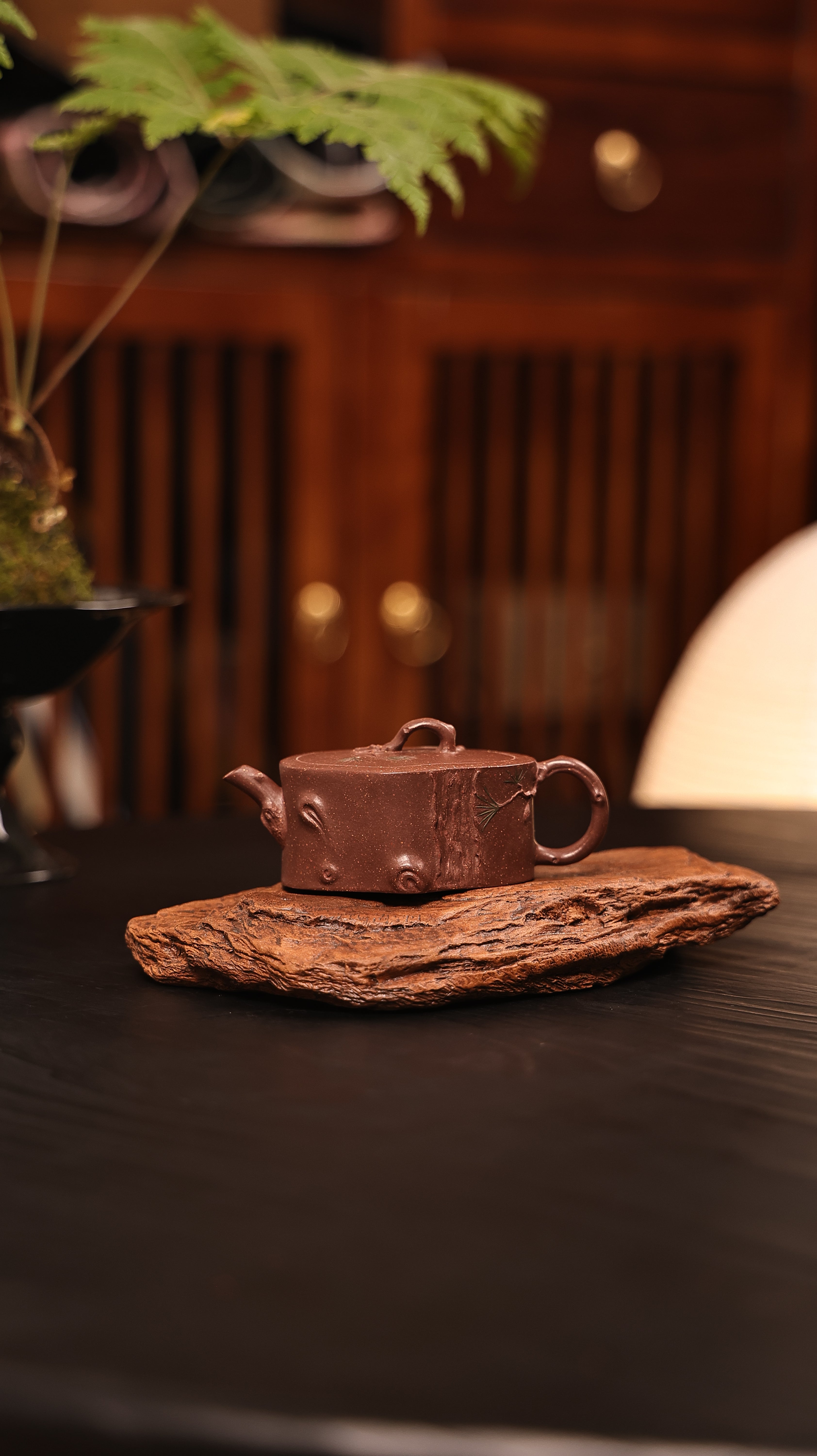
How can a Zisha Teapot enhance both the aroma and mouthfeel of fine teas?
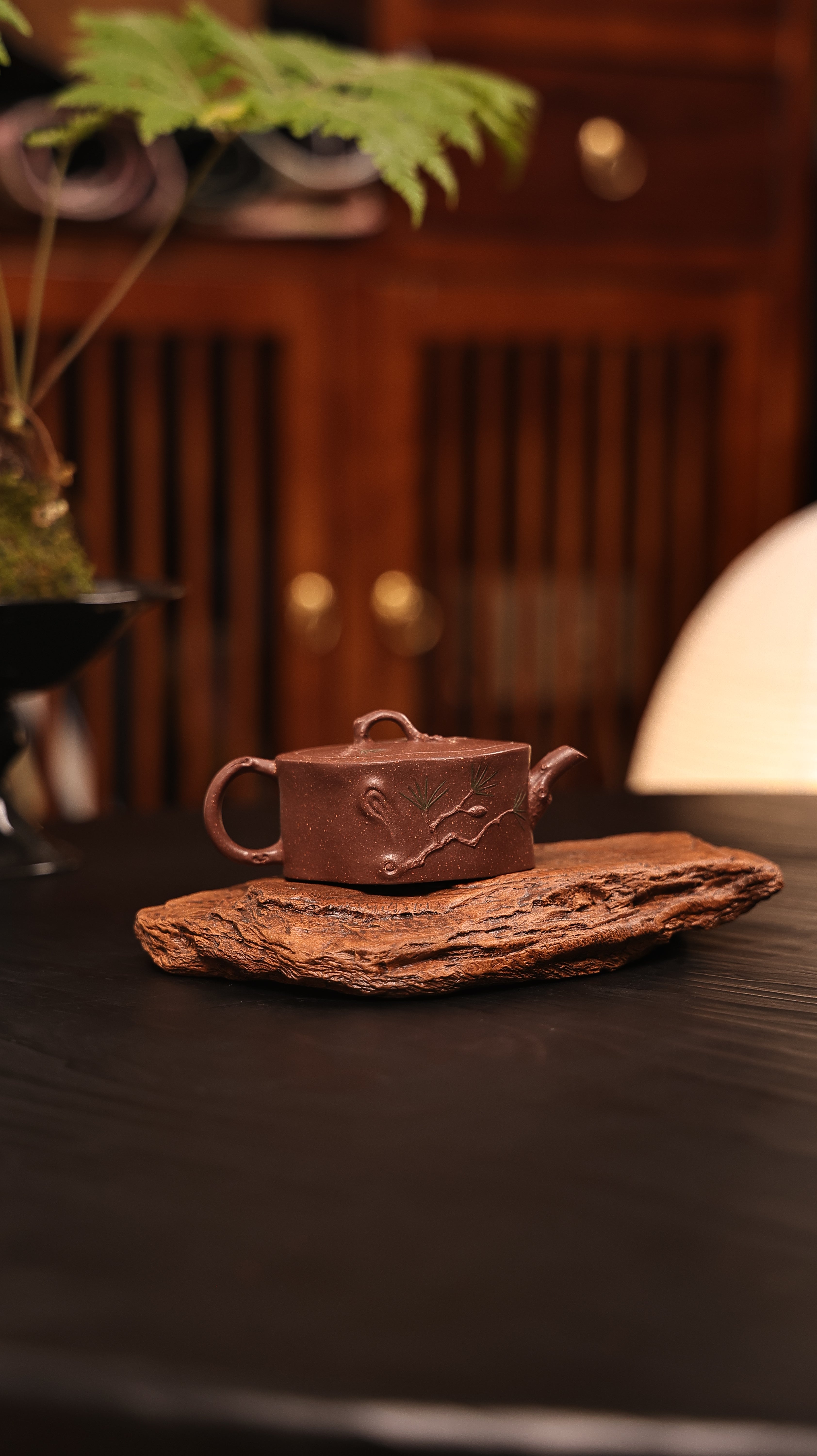
Throughout enduring chronicles,
Amidst epochs, collectors have been fascinated by the rare charm of Yixing Zisha teapots. Originating from the locality of Yixing in Jiangsu, these pieces are renowned for their outstanding beauty, unusual clay, and fundamental ability to elevate the note of tea. The soil's distinctive reddish-purple hue, combined with the talented construction of native sculptors, creates products that are equally functional crafts and esteemed properties. Possessing a Zisha teapot is more than just certain purchase; it's welcoming a rich ethnic heritage.
Grasping Yixing Teapots: Chronicles, Kinds, and Merit
The renowned Yixing teapots stand as a profound legacy deeply intertwined with Chinese culture. Stemming in the Yixing region of Jiangsu province, these clay vessels possess a heritage stretching back to the Ming Dynasty. Early examples were functional, but throughout centuries, Yixing teapot building evolved into an esteemed art form. The clay itself, known for its unique composition and ability to augment the flavor of the tea, lasts a defining factor. Yixing teapots surface in various kinds, broadly categorized by shape: Established such as Zhuni (purple clay) and Bisheng, as well as distinct designs. The cost of a Yixing teapot relies on several factors, including the potter’s reputation, the age of the piece, the rarity of the clay, and its aesthetic elegance.- Account: Prime eras
- Soil: Diverse kinds
- Valuation Parameters: Historical period
Zisha Pot Creation: Strategies and Potters
That production of a original Zisha teapot is a complicated process, requiring generations of experience. Seasoned artisans meticulously source the finest Zisha clay, a exclusive earth found only in specific regions of China. Time-honored techniques, often passed down through families, involve accurate shaping, nuanced carving, and unhurried firing in ancient fireplaces. The final teapot isn't merely a jar; it's a testament to creative vision and the weighty connection between the craftsman and their lineage. Each object showcases the special touch of the creator, resulting in a truly one-of-a-kind work of creation.
Eastern Craftsmanship: Uncovering the Comprehensive Legacies of Yixing
Famous Yixing, Chinese Teapot located in Jiangsu the district, is globally renowned for its exceptional ceramics – a tangible representation of centuries of Chinese art. These aren't merely vessels for making tea; they are intricate works of craft, often reflecting historical ideals. Such unique purple clay, known as Zisha, possesses exceptional qualities: the compound dense, diffusive, and imparts a subtle character to the tea.
- Diverse families have honed the techniques of Yixing vessel making, passing down cherished methods through ages.
- Devotees prize these pieces for their grace and scarcity.
- A number of urn tells a story, connecting the consumer to a rich tradition.
Purchasing Yixing Zisha: Critical Aspects
When exploring buying Yixing Zisha containers, a range of factors require careful consideration. At the outset, the ingredient's color is crucial; authentic Zisha commonly exhibits a evident maroonish gradient. As well, examine the craftsmanship; precise markings and a sleek overlay reveal accomplished making. Eventually, analyze the producer's prestige; esteemed names earn enhanced fees and often grant a promising profit.
Artisan Techniques for Brewing Tea in Zisha Pots
Crafting flavorful tea with a Zisha pot is more exceeding a simple ritual; it's an art. Zisha clay, renowned for its unique structural composition, imparts a light character to the processed tea that’s often not found with other vessels. The correct water heat is vital; typically, moderated than what's used for black tea, to conserve the tea's bouquet and palate. Consider thoroughly the tea type; delicate green teas or aged pu-erhs improve from the Zisha’s ability to calm their innate edge. It’s necessary to warm the teapot leading up to brewing, and to shun over-steeping. Mastering this method leads to a genuinely exceptional tea phenomenon.
- Realizing Zisha Clay
- Water Warmth & Kind of Tea
- Value of Warming Up
Maintaining Your Esteemed Earthenware
For the purpose of ensure the continuity of your valuable Yixing teapot, habitual attention is absolutely mandatory. Refrain from using synthetic products; instead, carefully wash it with mildly heated fluid. Ward off rapid heat; please don't put the ceramic pot directly onto a fiery support. Periodically, prepare the container by soaking it with high-quality fermented tea, as this supports to develop its essence and protects the singular qualities of the medium.
From Earth to Receptacle: The Progression of a Classic Brewing Device
Such creation of a Zisha teapot is a astonishing operation, a testament to both the globe's bounty and the mastery of the specialist. It starts with the meticulous extraction of the exclusive clay from the crimson Zisha mines neighboring Yixing. This natural material, known for its remarkable properties, is then steadily filtered and prepared for the primary forming. The jug's shape is carefully developed using a concoction of ancient modeling systems, often incorporating sophisticated patterns. Following maturing, the urn undergoes a paramount first firing, succeeded by a coating stage, which might involve several different layers of authentic Zisha films. Finally, a second, and sometimes third, firing at high temperatures perfects the artifact, revealing its perfected beauty and magnificent characteristics - a honest masterpiece, ready to enhance a tea gathering.
{Yixing Teapots: A Token of the Legacy and Tribute
Famous Yixing teapots, originating from the renowned Yixing region of Jiangsu province, are far more than mere vessels for brewing the beverage; they represent a significant aspect of Chinese artistry. Formed from distinctive purple clay – zisha – these singular teapots are highly coveted for their ability to boost the flavor of the tea and, crucially, for their charm. The past of Yixing teapot making spans centuries, and the artistry involved is conveyed through generations, making each teapot a craftwork that embodies heritage-bound techniques and a profound appreciation for the elegant pleasures in life.