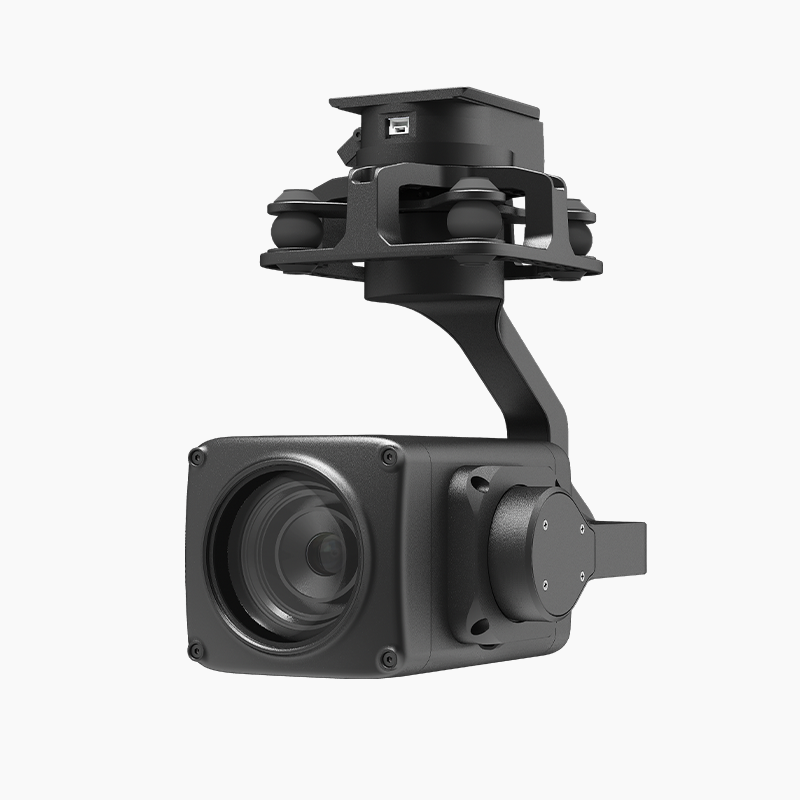
How does a night vision camera improve coverage in areas without artificial light?
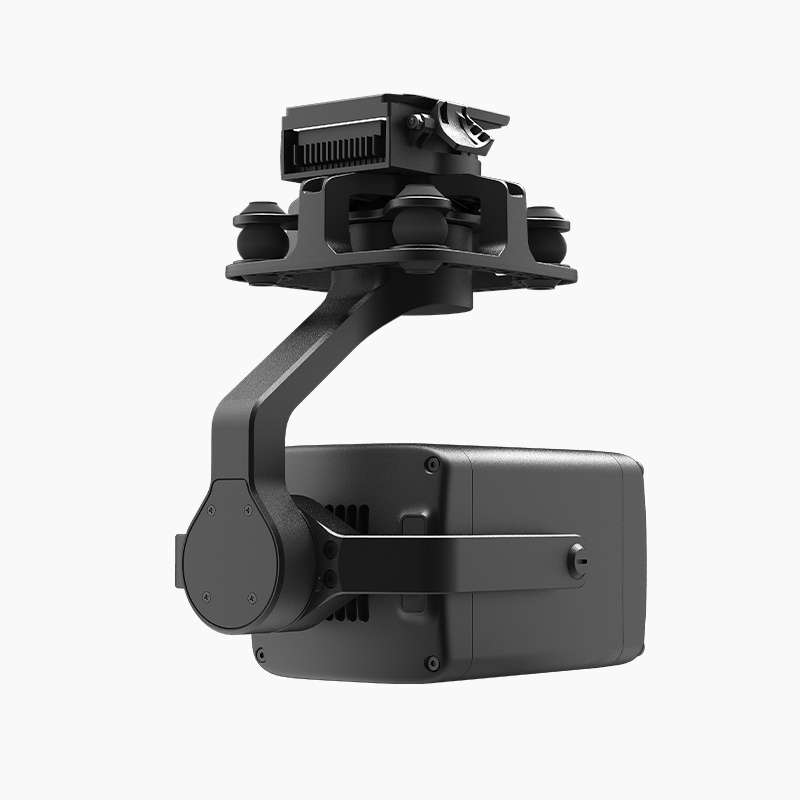
Behold about the in-depth discussion with respect to steadiness techniques combined with infrared-based vision using airborne platforms.
Support Uses for Flying Machine Observation Developments
Robotic units are experiencing remarkable developments in camera mechanisms. Sophisticated gimbal mechanisms now facilitate incredibly balanced footage, even turbulent situations. Furthermore, the melding of thermal scanning offers expanded opportunities for scrutiny in fields like construction, offering valuable metrics beyond what common light cameras can capture. These integrated technologies are essentially revolutionizing the field of aerial capture.
Viewing into the Night: UAV Systems with Dark-View & Mounting Systems
The latest landscape of unmanned aerial machines is being upgraded by advancements in camera specifications. Importantly, the combination of night vision configurations and sophisticated gimbal stabilization allows for unprecedented visibility during nighttime operations. These powerful cameras, often utilizing infrared sensors, can penetrate darkness, providing crucial intelligence for security purposes. Furthermore, the gimbal technology effectively minimizes noise, resulting in extraordinarily uniform footage even in harsh conditions. Points like detail and tempo are progressively necessary for ideal performance.
- Enhanced Functional Perception
- Extended Reach of Function
- Detailed Material Accumulation
Pilotless Craft Camera Examination: Balanced, Heat Imaging, Close-Up & Evening Imaging
Selecting the appropriate autonomous craft camera constitutes a difficult choice. Weigh the multiple classes available: gimbal systems afford smooth, refined footage; infrared cameras achieve in dim conditions by revealing heat indications; telephoto lenses permit you to heighten distant entities; and low-light vision mechanisms utilize advanced technology to acquire imagery in limited light. The favored fusion depends on the aimed use.
Our Upcoming of Robotic Optical Technology: Consolidating Thermal & Shadow Viewing
Commonly, Drone instruments centered on traditional light photography. But, state-of-the-art tasks in areas especially search & recovery demand increased sensory knowledge. Merging heat-sensing apparatuses alongside night observation systems offers technicians a significant upper hand, supplying users to notice phenomena obscured from common glow. Such melting deeply enhances functional success across a vast night vision camera spectrum of tasks.Suspension Stability Combines with Thermal Vision: A Next-Generation Era for UAV Imaging
Such modern period concerning robotic imaging has, propelled using those fusion and state-of-the-art dampening solutions plus fine thermal imaging. Such integration helps handlers so as to secure refined thermal outputs with flying devices, notwithstanding problematic environmental conditions, revealing new possibilities throughout multiple sectors such as maintenance, rescue or precision agriculture.
UAV Camera Magnification Capabilities: Juggling Distance & Night Monitoring
Advancements in UAV technology are constantly developing camera close-up capacity attributes, but a crucial challenge involves optimizing extent and twilight observation. Extending such magnification to capture removed objects often undermines glow sensitivity, causing clear dark vision complicated. Suppliers are considering new approaches, adopting advanced telephoto layouts and digital enhancements, to diminish noted drawback and extend crisp imagery at diverse distances, even under unfavorable luminosity circumstances.
Identifying this Ideal UAV Camera: Dampening, Heat, & Long-Range Points
As evaluating an UAV camera, countless critical parameters have to be evaluated. Such balanced balancing device is necessary for balanced skyborne video , chiefly in windy scenarios. Infrared modules provide priceless understanding for scenarios like scrutiny and rescue missions. Finally, optical range functions allow precise sightings of subjects, yet higher telephoto capability habitually is associated with lessened image definition and involves more radiance.
{Night Vision UAV Cameras: Elevated Safety with Support Reinforcement
Contemporary remote-controlled flyers are revolutionizing security missions with the use of night vision systems. Essentially, mount aid delivers exceptional firmness for the photography setup, enabling clear imagery even in hard conditions or during transit. This feature considerably strengthens watch functionality and equips a critical benefit for agencies and alternative companies requiring secure nighttime search.
Advanced Drone Sensor Packages: Blending Adjustable Radiometric & Shadow Observation
Modern airborne units are continuously equipped with modern camera systems that go beyond basic photography. These innovative solutions often incorporate a combination of powerful technologies, embracing variable adjustable capabilities for accurate inspection, heat-detecting imaging to discover temperature differences, and dark vision mechanisms to support operation in poor settings. This combination provides users with a significant plus in wide-ranging realms, from humanitarian aid to maintenance checks and patrol operations.