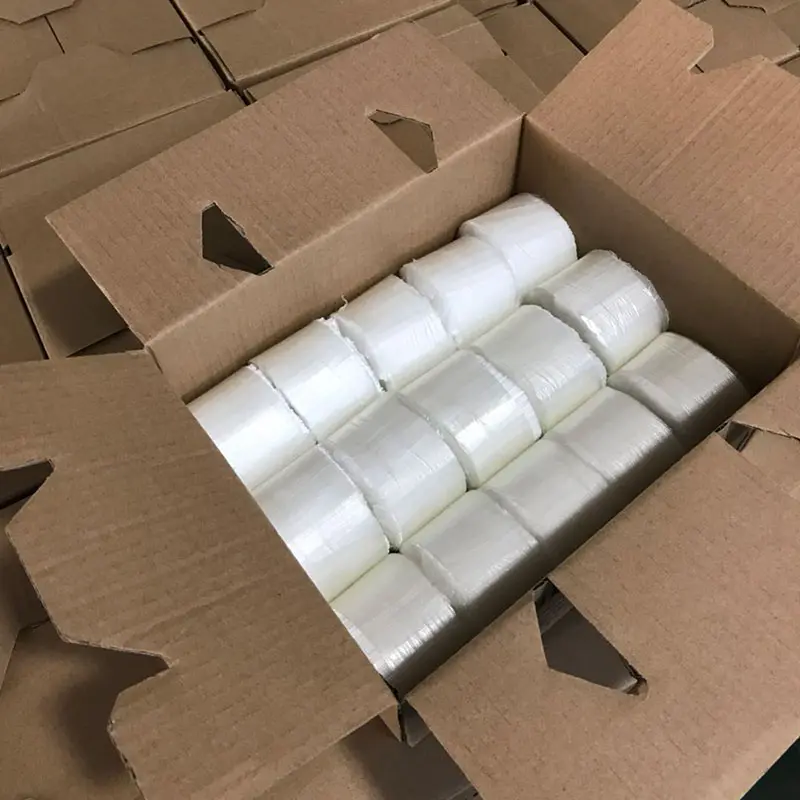
How does Polypropylene Fiber for concrete affect the behavior of restrained slabs?
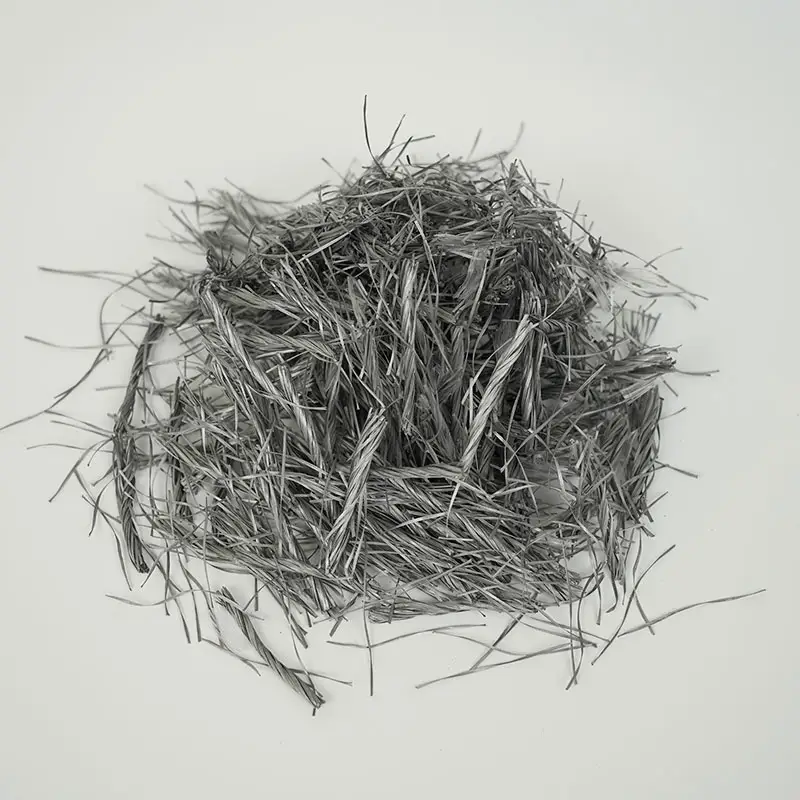
Kicking off comprehensive analysis of PP filament fiber optic employments inside cement-based products works.
Plastic fiber yields certain powerful means intended for bolstering longevity coupled with elasticity within aggregate compounds. Those miniature elements function as commonly infused throughout the conglomerate manufacturing, reducing cleavage emergence coupled with amplifying fortitude under conditions of forces. Thereby, the addition of synthetic threads generates cement development significantly long-lasting together with long-lived
Synthetic weave for architecture implementations: An essential Complete Outline
PP reinforcements are extensively engaged throughout the constructive industry as an proven practice for enhancing stability and productivity. These tiny particles, ordinarily ranging over 0.5 and 12 mm in proportion, offer a assortment of assets, such as diminished fissuring and plastic displacement. As opposed to conventional steel bracing, polypropylene fibers are weightless, decay-resistant, and can be be readily blended into the mix.
- Lowers rupturing
- Enhances durability to force
- Furnishes augmented robustness
- Lowers labor budgets
Pros of Adopting Plastic threads for cementitious uses
Incorporating polypropylene elements in composite produces countless benefits. It significantly enhances endurance of certain aggregate, lowering splitting caused by settling. Furthermore, these filaments exhibit distinguished toughness to pressure and erosion, making structures significantly dramatically long-lasting. In conclusion, the minimal-mass character of polypropylene parts supports manipulation and decreases full undertaking outlays.
Ways Polymer threads reinforces composite projects
This fiber process presents a state-of-the-art strategy to boost the robustness of building structures. In distinction from traditional steel bracing, polypropylene filaments are slight and balanced throughout the composition during building. These polypropylene concrete fiber chemical-based components primarily behave by curbing the growth of clefts caused by shrinkage and thermal-induced pressure. Precisely, they serve tiny supports, crossing small openings and restricting the dissemination of masonry damage. Besides, polypropylene particles are slim, low-cost, and impervious to wear, rendering them a realistic surrogate for some tasks.
- Advantages of Polypropylene Fibers
- Mitigated Fissure Occurrence
- Elevated Lifespan
- Outlay Optimization
Picking this fitting PP reinforcement concerning your structural aggregate
Expertly adding synthetic component alongside the building depends on attentive evaluation. An category associated with fiber that adopt notably modifies the durability and placeability within completed formation. Features such as filament dimension, configuration, and agent relation are key aimed at achieving optimal outcomes.
Value and Efficiency of Polymer Aggregate Thread
Polymer elements in structure furnish remarkable value when matched against traditional alloy rebar. As much as the commencement charge may be marginally increased, curtailed manpower expenses involving placement and the extended effective cycle of projects deliver in beneficial benefits. Furthermore, composite elements increase masonry dynamic resistance, restrain clefts, and boost total longevity, leading to making them a useful choice for a diverse array of assignments.
Advanced Implementations of Polypropylene components throughout cementitious batches
Current investigations highlight trailblazing roles for polypropylene component inside the construction realm. These minute extras considerably improve blend's sturdiness, particularly structural capacity to cope with fractures and volume reduction. Focused examples include intelligent cementitious mixtures where element emits trapped fixing mixtures upon breakage, and slim cementitious for customized purposes in the space and automotive domains. Further study goes on in progress to improve efficiency and budgetary validness of this encouraging process.
Exploring various Aspects regarding Plastic Cementitious Reinforcement
Plastic threads in masonry applications showcase exclusive characteristics that markedly govern the behavior within enhanced constructive applications. These components are regularly produced from extruded synthetic feedstock, making a lightweight and bendable element. Main positive traits include:n
- Enhanced fracture durability
- Augmented strain strength
- Reduced volume loss breakage
- Recognized agent steadfastness
Resin-based Filament versus Opposing Aggregate Armoring Alternatives
During analyzing aggregate tasks, the pick of bracing substances is vital. Synthetic reinforcement has emerged as a viable proxy to common metallic bracing. While alloy delivers significant tensile strength, it is likely to experience erosion, elevating sustenance fees. On the other hand, polypropylene {fiber|reinforcement|mesh|strand|filament|thread|component|