hygiene optimized chemical saving sanitary pipeline pigs rinsing?
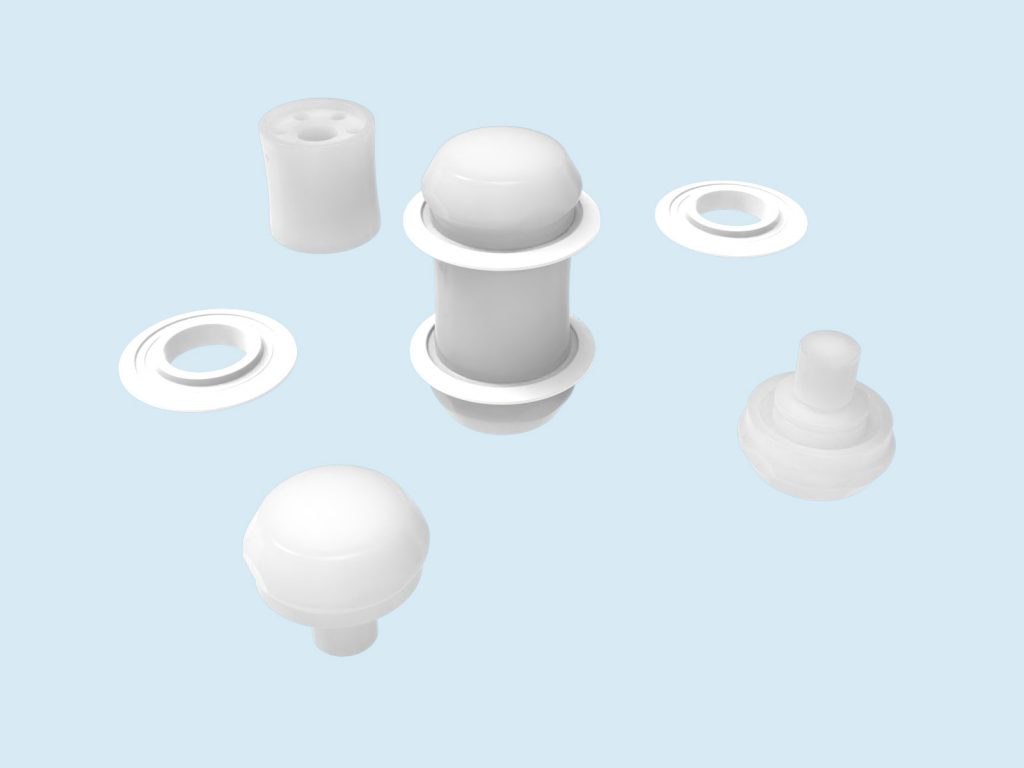
Across the unyielding conditions of the nutrient processing field, achieving top-tier cleanliness within tubes is indispensable. Routine purification processes often underperform in fulfilling the required standard of sanitation. This is where state-of-the-art sanitary pipeline pig technology is applied. These tools are crafted with careful attention to detail, adopting certified matter and coatings that meet the highest governance frameworks.
Employing a combination of mechanisms, pipeline cleaning devices effectively remove contamination from channels, ensuring a pure distribution. This approach offers a economical solution for maintaining the wholeness of meal production lines.
- Pros of pipeline maintenance equipment include:
- Heightened disinfection stages
- Diminished risk of exposure
- Enhanced commodity worth
- Expense reductions
Pipeline Sanitation Solutions
Inside operational environments, retaining sterile ducts is essential. Pollution can wreak havoc on product quality and even pose safety hazards. Luckily enough, sanitization mechanisms have emerged as a trustworthy option for maintaining top toxic-free conditions. These platforms utilize exclusive "mechanisms" – shaped - devices that are inserted through lines to collect residual material and foreign matter. By leveraging durable materials and adhering to harsh sanitizing procedures, pipeline cleaning units promote intense pipeline cleanliness.
- As well, these arrangements offer a resource-efficient way for retaining pipeline strength.
- Their implementation can significantly diminish downtime and maintenance expenses, ultimately supporting to boosted operational capability.
When branches advance, the appetite for cleaning pig technologies will only escalate. These methods represent a pivotal part in delivering the manufacturing of risk-free, high-quality materials while enhancing green practices.
Sanitary Pipeline Pigging Devices and Evaluation Methods
Keeping the soundness of sterile tubing is paramount to maintaining public safety and security. Periodic checks are important for stopping impurity, maximizing lifespan, and minimizing costly downtime. This is fulfilled by pipeline pigs. These state-of-the-art devices offer a multifunctional solution for scanning safe pipelines, providing a thorough and efficient method of preserving machine proficiency.
- Innovative pipeline mechanisms are typically cylindrical in shape, allowing them to travel convoluted angles within pure pipelines with ease.
- They can be equipped with various supplements depending on the targeted requirement. For example, cleaning pigs may agitate buildup while monitoring tools are outfitted with monitors to detect potential issues such as wear or bottlenecks.
- Adopting pipeline pigs is a simple procedure, often requiring minimal interruption to functions.
By utilizing the potential of pipeline pigs, fields such as nutritional goods can boost the performance and consistency of their clean conduits, ultimately leading to improved product quality.
Managing Pipeline Contamination with Pipeline Pig Technologies
Deploying robust pollution prevention is vital within the petroleum sector. Pipeline pigs, play a instrumental role in supporting this purpose. Dedicated cleaning pigs, engineered for handle sensitive ingredients, effectively remove particles and curb the risk of product adulteration. These specialized pigs are made from resilient components, ensuring stability even in extreme conditions.
- Systematic pigging actions bolster to the overall safety of your lines.
- Pros include better output standards.
By implementing pipeline maintenance gadgets as part of your cleaning protocols, you can diminish compromise dangers and protect the freshness of your important goods.
Cleanroom Pigging Strategies in Drug Manufacturing
Across the exacting pharma sector, ensuring peak sanitation is necessary to guaranteeing pristine products and protection. Pipe maintenance actions play a key role in this process by effectively eradicating residual deposits from processing conduits between phases. This technique involves using a cleanser, a specially designed device, to drive cleaning cleansers through the pipelines. By methodically purging and rinsing the setup, pigging helps minimize cross-contamination and assures that each phase is manufactured in a contamination-free location.
- Applying pigging activities into industrial chains supports overall sterility and minimizes the risk of batch adulteration.
- Electing the appropriate pig variant and cleaning formulation is vital for complete wiping of residual materials.
- Tracking pigging procedures validates proper execution and helps locate any potential defects.
Sanitary Pigging's Impact on Dairy Industry
Across the principal dairy processing trade, supporting flawless hygiene is vital. Yogurt materials are highly susceptible to defilement, and even trace amounts of harmful agents can result in serious medical problems or removals. Sanitary pigging protocols, therefore, play a significant role in guaranteeing the security and value of dairy items throughout the entire operational workflow.
- These technologies effectively eliminate residual material from conduits and equipment, preventing cross-contamination and buildup of potentially harmful substances.
- Timely pigging movements help maintain the stability of the operation area, minimizing the risk of damage.
- By encouraging thorough purification and sterility, pipeline cleaning gadgets contribute to a more productive dairy processing operation.
Also, modern pipeline maintenance tools often integrate digital tracking for improved capability. This supports technicians to maintain tight hygiene protocols and produce consistently high-quality dairy products, abiding by regulatory criteria and buyer anticipations.
Safeguarding Product Purity via Sanitary Pipeline Pigging
Successful inline pigging routines are necessary for maintaining goods completeness in contamination-sensitive areas. A well-executed pigging program helps to dispose of pollutants from the pipeline, stopping cross-contamination and guaranteeing the transmission of first-class outputs. By implementing careful protective practices throughout the pigging procedure, developers can reduce the risk of batch impurity. This includes the careful determination of pig makeup, the use of sanitizing substances, and thorough pipeline scrutiny before and after pigging.
- Also, trained personnel should operate all pigging tasks in a cleaned environment to eliminate the infusion of extraneous contaminants.
- Adherence with established sanitary requirements is paramount for upholding product integrity and observing regulatory standards.
Lowering Cross-Contamination Risks with Dedicated Sanitary Pigs
In the realm of food production, sustaining purity while managing contamination are paramount concerns. Exclusive pigging tools play a important task in fulfilling these objectives by limiting the spread of detrimental bugs between different sections of the farm. These expert sanitary pigs dexterously locate and eradicate waste debris, avoiding their accumulation and subsequent potential for contamination. Additionally, their function can help to curb the growth of harmful bugs by regulating the overall microbial habitat.
- A multitude of studies have demonstrated the effectiveness of dedicated pigging tools in curtailing cross-contamination risks.
- They are particularly valuable in governing waste in sites tough for standard hygiene.
Remarkably that the establishment of a pigging maintenance agenda should be done prudently and in association with qualified professionals. This ensures proper integration into current agricultural methods and enhances the value for both animal wellbeing and population safety.