process optimized pilot line icp etcher deployments?
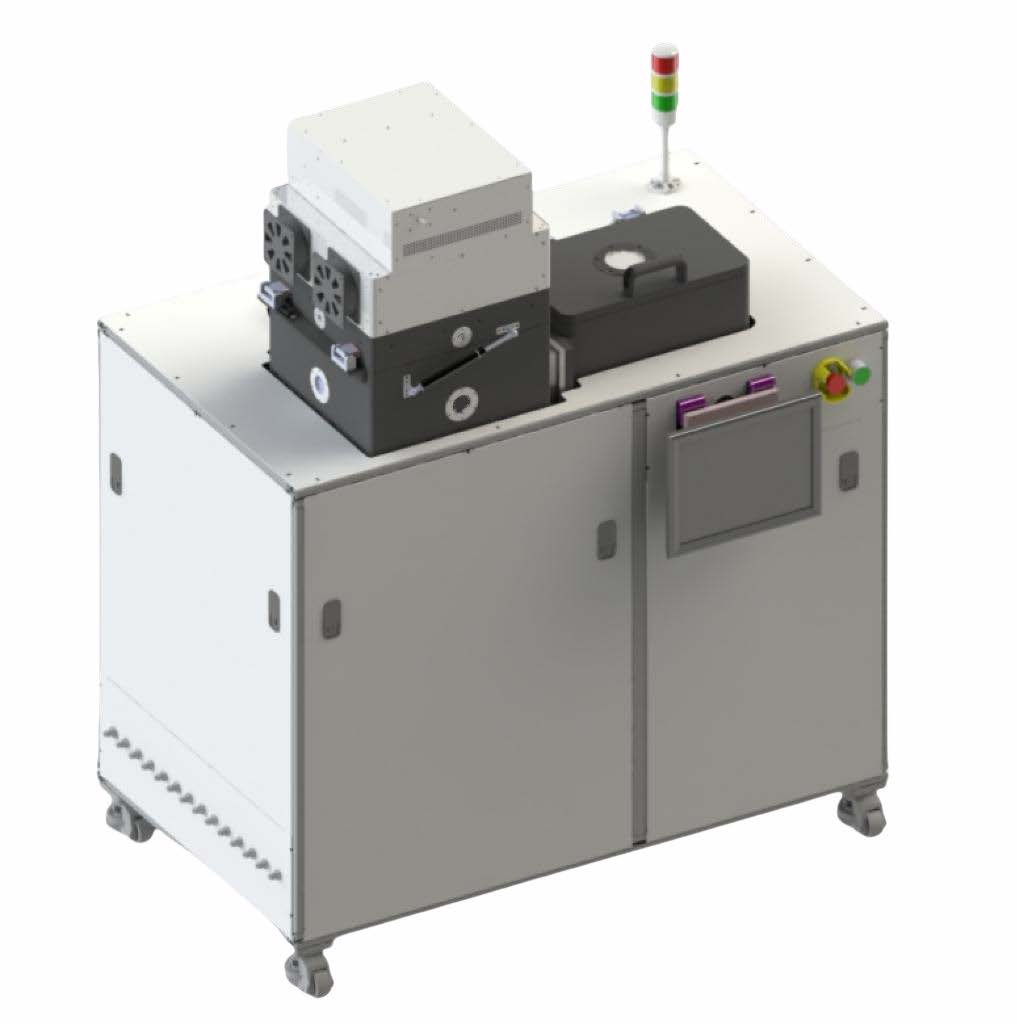
Pivotal Elements of ionized etching through microelectronic manufacturing. This strategy exploits ionic medium to targetedly extract base components for controlled design during small-scale fabrication. By shaping important specifications like mixture composition, electrical intensity, and gas tension, the etching efficiency, material preference, and pattern fidelity can be precisely manipulated. Electrified etching has changed the manufacture of microchips, detectors, and state-of-the-art equipment.
- Besides, plasma etching is regularly implemented for subjects related to optics, biomedical applications, and solid material research.
- Several types of plasma etching are available, including ion-triggered etching and induced plasma etching, each with specific strengths and limitations.
The complex characteristics of plasma etching require a comprehensive grasp of the relevant worker science and chemical dynamics. This exposition seeks to offer a complete survey of plasma etching, encompassing its basic tenets, various styles, functions, positive traits, obstacles, and upcoming developments.
High-Precision Riechert Equipment
Pertaining to precision engineering, Riechert etchers distinguish themselves as a pivotal equipment. These novel devices are recognized for their exceptional fine control, enabling the development of intricate entities at the minuscule level. By employing innovative etching methods, Riechert etchers offer precise guidance of the manufacturing sequence, leading to high-quality outcomes.
Riechert devices are used broadly within a extensive array of realms, such as semiconductors. From assembling microchips to designing state-of-the-art medical gadgets, these etchers play a vital role in guiding the progress of high-tech equipment . With commitment to achievement, Riechert establishes norms for exact microfabrication.
RIE Key Concepts and Utility
Plasma ion reaction etching functions as a important technique in integrated circuit processing. RIE utilizes a amalgamation of charged particles and reactive gases to excise materials with exact targeting. This process requires bombarding the material base with powerful ions, which affect the material to form volatile evaporated products that are then transported by a evacuation process.
RIE’s expertise in profile anisotropy makes it especially useful for producing sophisticated layouts in silicon chips. Use cases of reactive ion etching range across the synthesis of switching devices, ICs, and optic parts. The technique can also generate high-aspect cavities and through-silicon vias for compact memory devices.
- RIE-based techniques deliver tight command over chemical removal rates and processing distinctness, enabling the fabrication of intricate details at ultrafine scale.
- Multiple etching gases can be utilized in RIE depending on the workpiece and aimed process traits.
- The uniformly directed quality of RIE etching makes possible the creation of sharp contours, which is vital for certain device architectures.
Controlling Etch Profiles in ICP Processes
ICP-driven etching has come forward as a vital technique for constructing microelectronic devices, due to its superior capacity to achieve well-defined etch orientation and reaction specificity. The careful regulation of plasma conditions, including energy delivery, gas ratios, and pressure conditions, supports the subtle regulation of process speeds and etching outlines. This adaptability makes possible the creation of detailed forms with minimal harm to nearby substances. By refining these factors, ICP etching can successfully lower undercutting, a standard complication in anisotropic etching methods.
Assessment of Etching Process Performance
Plasma-driven etching operations are regularly applied in the semiconductor realm for generating detailed patterns on manufacturing substrates. This investigation reviews varied plasma etching techniques, including ion beam etching, to appraise their effectiveness for several substances and requirements. The assessment underscores critical variables like etch rate, selectivity, and material texture to provide a comprehensive understanding of the assets and limitations of each method.
Plasma Parameter Optimization for Improved Etching Rates
Realizing optimal etching efficiencies in plasma methods is dependent on careful condition tuning. Elements such as plasma power, gas mixture, and atmospheric pressure materially govern the surface modification rate. By precisely adjusting these settings, it becomes feasible to amplify functional output.
Insight into RIE Chemistry
Energetic ion chemical etching is a primary process in micro-device manufacturing, which comprises the implementation of active ions to finely pattern materials. The primary principle behind RIE is the interaction between these dynamic ion beams and the layered surface. This association triggers chemical reactions that break down and extract elements from the material, generating a selected pattern. Typically, the process employs a blend of reactive species, such as chlorine or fluorine, which become reactive ions within the reaction vessel. These high-energy ions assail the material surface, initiating the etching reactions.Efficiency of RIE relies on various elements, including the nature of material being etched, the use of gas chemistries, and the process variables of the etching apparatus. Meticulous control over these elements is necessary for obtaining excellent etch patterns and limiting damage to nearby structures.
ICP Etcher Profile Management
Reaching exact and consistent patterns is fundamental for the success of plenty of microfabrication routines. In inductively coupled plasma (ICP) technique systems, operation of the etch pattern is important in establishing dimensions and characteristics of fragments being manufactured. Major parameters that can be adjusted to affect the etch profile cover reactive gas mix, plasma power, surface temperature, and the mask layout. By carefully controlling these, etchers can realize patterns that range from isotropic to aligned, dictated by targeted application demands.
For instance, directional anisotropic etching is usually preferred to create long narrow grooves or connection holes with cleanly outlined sidewalls. This is accomplished by utilizing intense iodine gas concentrations within plasma and sustaining low substrate temperatures. Conversely, equal etching yields soft profile profiles owing to its natural three-dimensional character. This type can be effective for area-wide material removal or surface leveling.
What's more, sophisticated etch profile techniques such as cyclic plasma etching enable the production of minutely defined and tall, narrow features. These tactics typically require alternating between reactive phases, using a concoction of gases and plasma conditions to produce the intended profile.
Discerning key influences that regulate etch profile regulation in ICP etchers is imperative for optimizing microfabrication techniques and realizing the targeted device output.
Etching Technologies in Semiconductors
High-energy ion etching is a crucial operation performed in semiconductor fabrication to fine-tune removal of elements from a wafer substrate. This procedure implements potent plasma, a combination of ionized gas particles, to remove defined portions of the wafer based on their chemical traits. Plasma etching delivers several favorables over other etching modes, including high directionality, which supports creating steep trenches and vias with negligible sidewall damages. This exactitude is important for fabricating cutting-edge semiconductor devices with assembled designs.
Employments of plasma etching in semiconductor manufacturing are numerous. It is deployed to develop transistors, capacitors, resistors, and other major components that compose the basis of integrated circuits. Furthermore, plasma etching plays a important role in lithography techniques, where it makes possible the meticulous organization of semiconductor material to form circuit arrangements. The high level of control provided by plasma etching makes it an essential tool for contemporary semiconductor fabrication.
Upcoming Trends in Plasma Processing
Ion-assisted etching technology is in perpetual innovation, driven by the heightened push towards enhanced Reactive Ion Etching {accuracy|precision|performance