retrofit friendly industrial RCO devices for gaseous emission abatement?
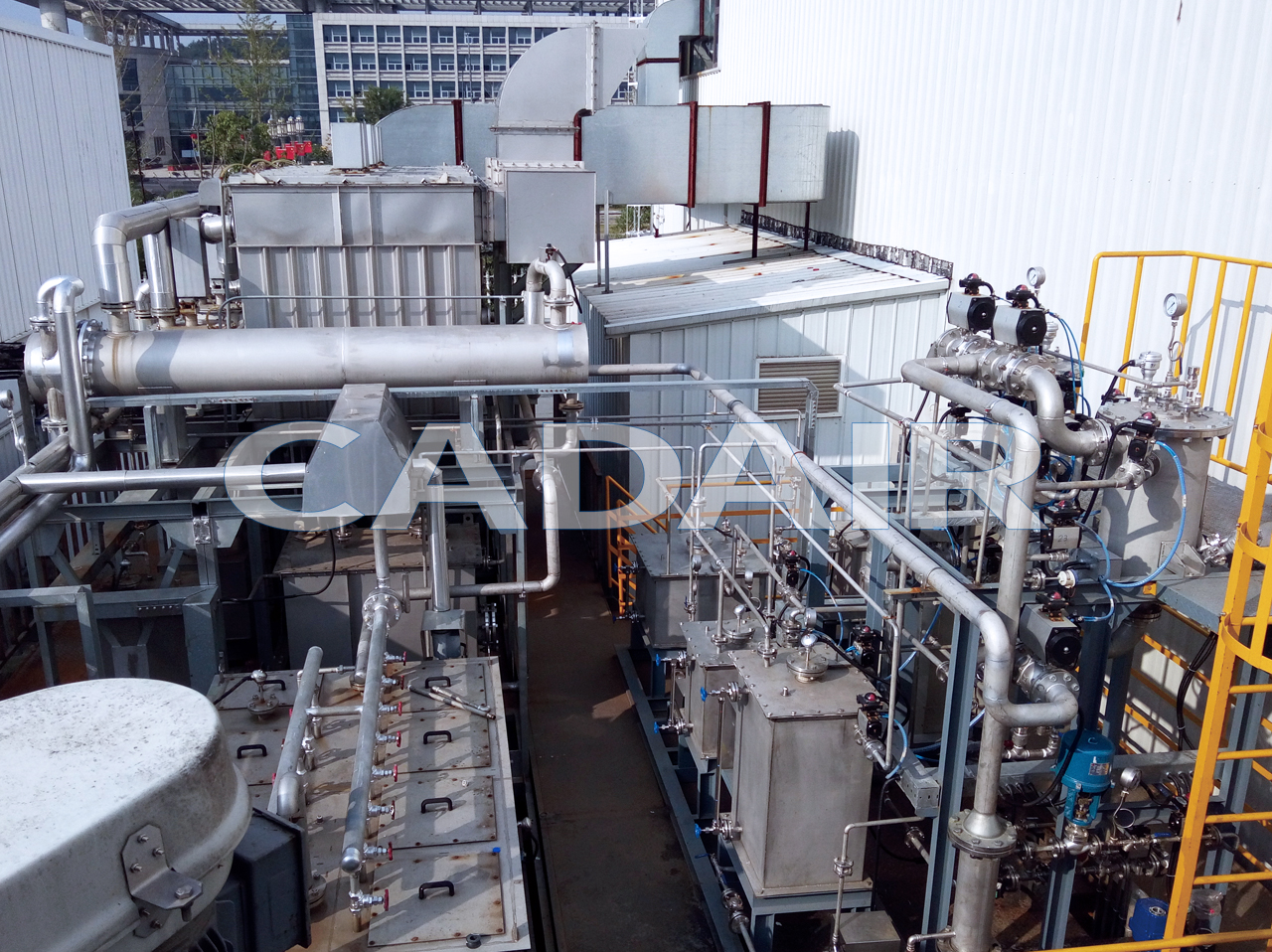
Launching
VOCs impact air quality (Chemicals) threatening living organisms and habitat. Routine detoxification practices depend on energy intensive means and emit perilous deposits. Zeolite rotary devices present environmentally sound choices, yielding excellent VOC grasp inside ambient air. Such products carry great surface coverage and singular holes encouraging excellent VOC sequestration.
- Also, zeolite rotors are regenerable, lowering green impact and expenses.
- Thus, zeolite rotating techniques proliferate in widespread processing fields, including sector emission mitigation, confined air sanitizing, and liquid waste refinement.
Implementation of zeolite wheels signifies a major change for eco-friendly VOC elimination, providing green and fiscal advantages.
Regenerative Heating Oxidizers: Effective Air Processing
Regenerative combustion oxidizers furnish modern atmospheric treatments. These apparatuses engage combustion and heat application of impure emissions at elevated heat levels, exhaustively transforming pollutants into clean aftermaths. Reused thermal energy lowers expenses. They succeed in removing airborne compounds, tiny solids, and degradants. Deployed widely in production, rto for petrochemical plant health, and sewage control areas.Gains represent refined air standards, less environmental footprint, and cost benefits. Besides, condensed form and simple care position them desirable.
Advanced Catalytic Oxidation: Emissions Minimization Techniques
Building operations emit hazardous volatile compounds. Catalyst-driven oxidation installations lower ecological footprints. Catalytic substances promote change from hazardous to clean forms. Catalytic agents boost reaction speed with less power input.
Selection of catalysts suits unique intentions, including valuable metals including iridium and ruthenium. Choosing correct catalysts is key to maximizing removal. Catalytic unit arrangement facilitates pollutant surface contact to amplify contaminant conversion.
Catalytic units outperform classic approaches by targeting. They target distinct pollutants while sparing others. In addition, they conduct processes at soft heat minimizing outlay. Persistent innovations enhance catalyst-based emissions reduction facilitating cleaner processes and healthier environments.
Refining Regenerative Catalytic Oxidizer Output
Producing prime performance demands rigorous evaluation. Designating ideal catalysts is pivotal. Calibrating key parameters like warmth and residence interval upgrades system output. Observation and measurement tactics secure reliability. Steady maintenance and reviews protect system viability of the system and deployment.
Zeolite Contribution to RTO Excellence
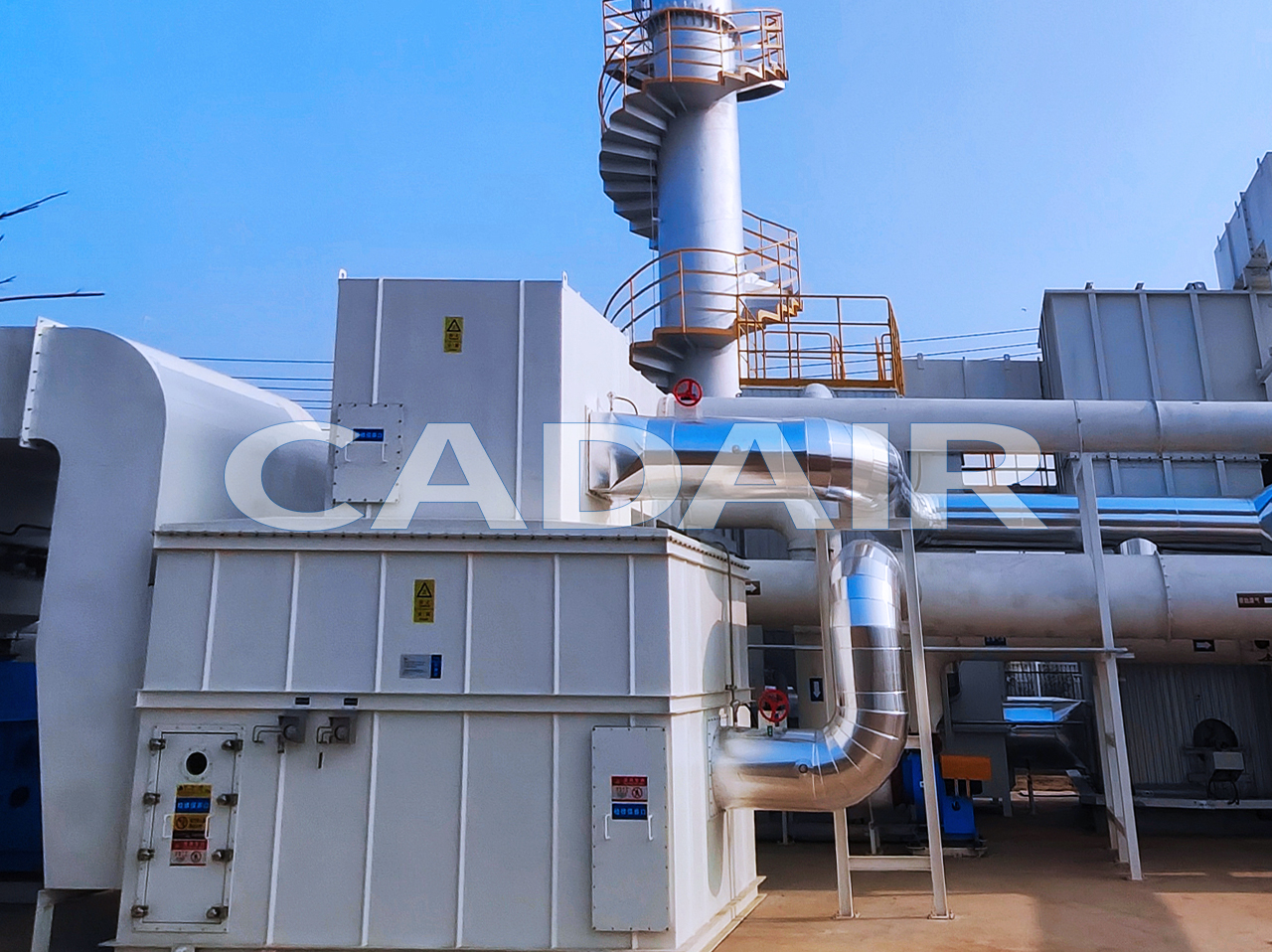
Thermal oxidizers are vital in limiting organic VOCs. Zeolite frameworks facilitate pivotal actions by molecular capture and catalyst properties. Specialized VOC adsorption heightens oxidative power. What's more, zeolite catalysts quicken combustion minimizing energy input and upgrading outcomes.
- Hence, deployment of zeolite substances optimizes toxin adsorption, consumption reduction, and ecological care.
Juxtaposing Synthetic Zeolites and Conventional Catalysts
Recent catalytic discoveries produced evaluative examinations of laboratory-made zeolites contrasted with classical catalytic materials. Such studies examine catalytic reactions, specificity, heat tolerance, and affordability. Closing by gauging zeolite catalyst effectiveness in complete VOC degradation in RTOs. This aids advance efficient and eco-conscious pollution control technology.
- Zeolite materials presenting large voids and surfaces offer catalytic prospects.
- Usual catalysts largely oxide metal compositions endure constraints in action and discrimination.
What's more, reviews analyze temperature settings, residence intervals, and input mixes impacting zeolitic and usual catalysts. This comprehensive approach aids optimization of RTO catalyst selection and operation to maximize VOC removal and minimize energy use.
Modeling and Simulation of Regenerative Catalytic Oxidizers
High-tech catalytic reactor systems embody intricate devices managing waste gas streams. They utilize catalytic chemistry to degrade damaging compounds releasing thermal energy as consequence. Such process intricacy requires robust software models supporting system planning and tuning. Mathematical models allow forecasting critical system variables over fluctuating scenarios. Furthermore, these simulations uncover bottlenecks and direct improvements producing enhanced regenerative catalytic oxidizers.Thermal against Catalytic Oxidation: Selecting Effective Technology
Opting for fitting oxidation techniques requires careful assessment. Combustion-induced or catalysis-assisted oxidation reveal diverse pluses and minuses. Thermal oxidative processes utilize raised temperatures initiating reactions. Catalyst-based oxidation catalyzes transformations at temperate warmth. Choice depends on efficiency, cost, and target substrates.
- High-temperature oxidation typically secures stronger pollutant removal at energy cost
- Catalytic reaction units use less heat minimizing costs and air contaminants
Detailed knowledge of parameters promotes sound oxidative technology choice. Working with professionals sharpens choices maximizing results and sustainability.
Air Emission Management Employing Zeolite Rotors
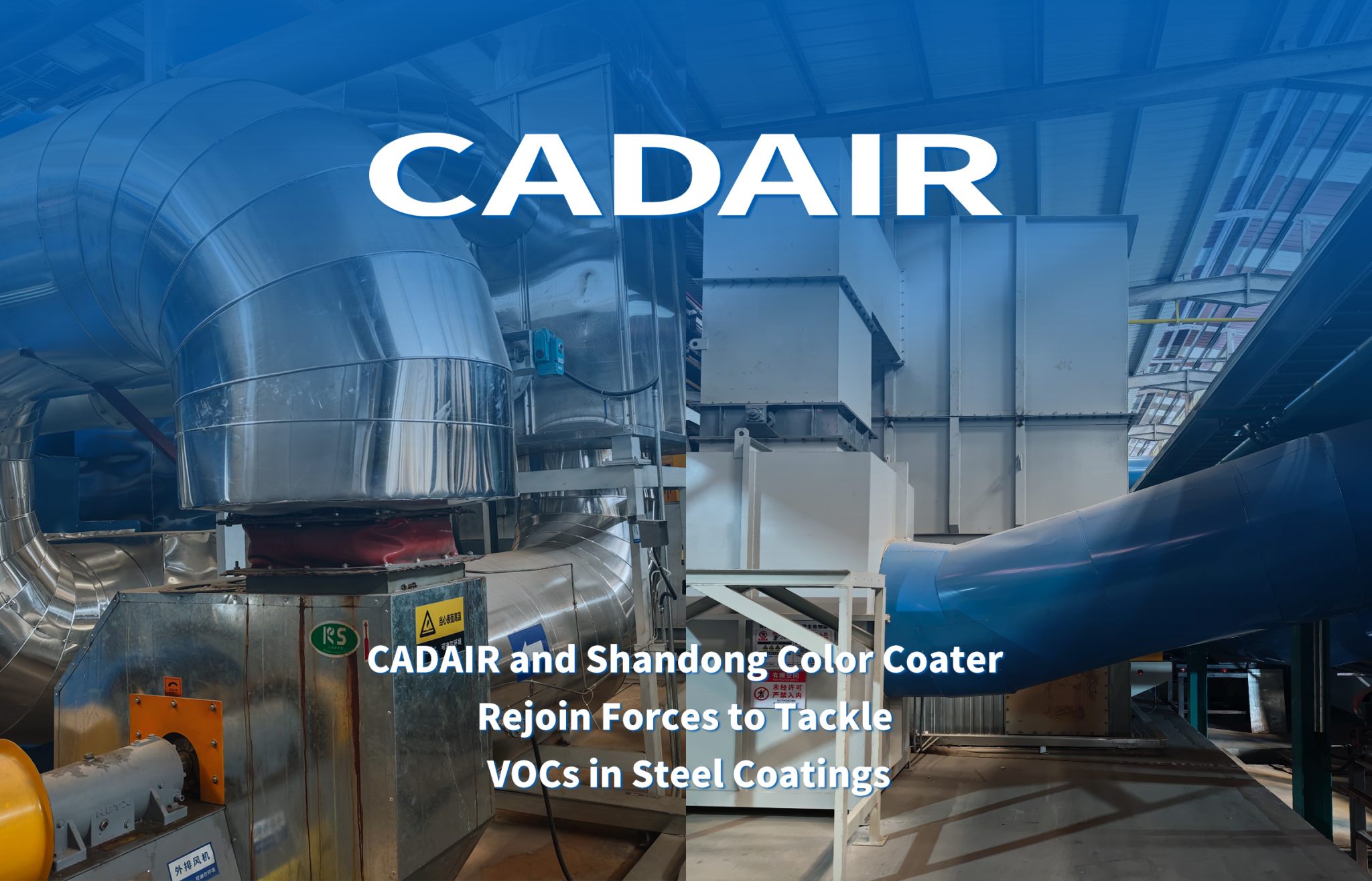
Zeolite rotor technology emerges as promising for emission reduction across processing and automobile segments. Composed of structured zeolite compounds, rotors seize contaminants via physical, molecular, or electrostatic interactions. Dynamic rotor movement allows steady and effective contaminant management. Multiple zeolite blends adapt to capture gases such as CO, NOx, and volatile organics, making this technology customized, malleable, and generalized for extensive environmental applications.
- Also, rotor designs deliver marked improvements versus typical pollutant treatments, including:
- Lessened power utilization.
- Space-saving architecture.
- Notable emission reduction.
Persistent research and method refinement drive enhancement of zeolite rotor technology, facilitating sustainable adoption industry-wide.
Notable Regenerative Oxidizer Use Cases
Within the expanding oxidation domain, regenerative oxidizers confirm their influential and reliable capabilities. Their aptitude for converting waste gases into beneficial resources gains growing esteem.
- A key case highlights regenerative oxidizer mitigating extensive pollutants within a chemical factory achieving large toxic output cut and demonstrating environmental benefit potential.
- Extra effective approach appears in energy industries adopting regenerative oxidizers for organic waste combustion enabling efficient and sustainable conversion of biomass to energy offering nature-friendly replacement of fossil energy.
Such studies underscore versatility and effectiveness of regenerative oxidizers in multiple sectors. With continued innovation, anticipate groundbreaking uses ahead for this promising technology in upcoming years.
Advancing Air Purification: The Role of Zeolites and Regenerative Technologies
Amid growing global air pollution concerns, urgent, innovative approaches are needed. Groundbreaking efforts emphasize zeolite-based regenerative system harmonization. Lauded for notable capture and flexible pores, zeolites offer potent gas cleansing. Paired with recyclable systems, they enable continual contaminant removal and recovery minimizing waste and promoting sustainability. This combination provides powerful techniques tackling multiple contamination problems covering plant outputs, automotive fumes, and interior air conditioning. Furthermore, continuous studies optimize zeolite composites and regenerative designs, enabling more advanced and flexible air treatment units.
- Next-Generation Zeolite Frameworks
- Renewable System Refinement
- Estimated Contributions Toward Pollution Control