return maximizing high visibility yellow tone masterbatch systems?
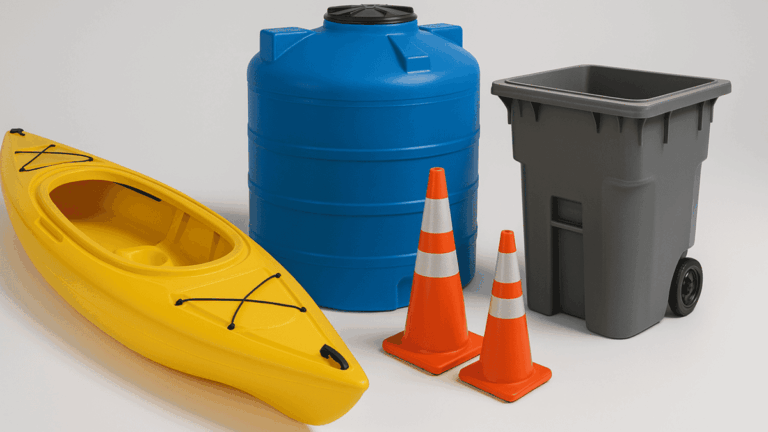
Producing intense complexion across your plastics involves more than just introducing dyes. This comprehensive survey delves into the field of color compound mixes, elucidating their assets, uses, and decision-making processes. Comprehending this technology enables producers to secure stability in their offerings while improving production productivity. We’ll cover topics such as color blending, base polymer choice, and the consequence of masterbatch on physical features.
Black Masterbatches: Securing Deep and Steady Color
Reaching a truly solid black color in plastics often presents a pronounced challenge. Fortunately, using engineered black masterbatches offers a trustworthy solution. These concentrated composites of pigment and carrier resin provide excellent dispersion, minimizing smudging and ensuring a smoothly dark appearance. The precise formulation allows for exceptional color clarity, making it easier to reproduce the desired hue across different batches and manufacturing processes – ultimately delivering a high-quality finished product with impressive aesthetic appeal and reduced waste due to color rejection. Careful selection of the masterbatch, considering factors like resin compatibility and UV resistance, is vital for optimal results.
Neutral Blends: Enhancing Luminance & Perceptual Thickness in Synthetic Items
Bright masterbatches offer a simple yet potent solution for tweaking the shade and physical properties of various material components. These concentrated mixtures, typically containing titanium dioxide (TiO2) pigment dispersed within a matrix resin, are fluidly incorporated during the manufacturing process to deliver boosted brightness, opacity, and overall whiteness. The concentration of TiO2 dictates the level of opacity achieved; higher concentrations result in greater light blocking capabilities, allowing for reduced material thickness or a more uniform appearance when using recycled content. Furthermore, these masterbatches often contribute to UV protection and can even influence other crucial properties like impact strength and processability depending on the chosen carrier resin and its compatibility with the target plastic.
Ruby Masterbatch Developments: Patterns & Implementations
The realm of red masterbatches is currently witnessing significant shifts, driven by consumer demand for vibrant and consistent coloration across a spectrum of products. New technologies, particularly in pigment dispersion and carrier resin formulation, are enabling manufacturers to achieve improved color strength, heat stability, and lightfastness. A key trend is the move towards bio-based and sustainable masterbatch solutions – a response to growing environmental concerns and regulatory pressure. These eco-friendly options often utilize plant-derived carriers or incorporate recycled materials. Applications are becoming increasingly diverse; while traditional areas like plastics packaging, automotive components, and consumer goods remain prominent, we’re seeing uptake in specialized fields.
- Medicinal device coloring
- Agricultural film production - for UV protection & aesthetics
- Textile coloration – demanding consistent hue & durability
Determining your Correct Tint Masterbatch designed for Selected Compound
Effectively integrating color into chosen polymer requires detailed selection of your right masterbatch. Several factors influence this determination, including a desired tint, the specific type of synthetic being used, and fabrication conditions like heat and shear rate. Multiple masterbatches are composed with unique pigment concentrations, carrier resins, and additives to ensure optimal evenness and optical stability. Neglecting to review these aspects can lead to irregular color, poor mechanical characteristics, or processing barriers.
Learning Black Masterbatch Pigment Technology
Black masterbatch technology represents a key aspect of plastics pigmentation, specifically focusing on achieving deep, uniform blackness. It involves dispersing fine particles of carbon carbon black within a polymer matrix. The process necessitates precise control over particle size distribution, dispersion quality, and the type of carrier matrix used to ensure optimal color strength, opacity, and UV endurance. Manufacturers carefully select carbon blacks based on their Flame Retardant inherent properties – such as surface area, structure (degree of aggregation), and tinting strength – aligning them with the target application’s requirements. Factors like shear forces during mixing and compatibilizers play a significant part in preventing agglomeration and promoting consistent color throughout the final product.
- Superior dispersion is key for achieving even coloration.
- Particle size dictates opacity and jetness.
- Carrier polymer compatibility prevents degradation or streaking.
Improving Clear Compound Homogenization for Outstanding Consequences
Ensuring a homogeneous bright shade and finest opacity in your plastics products relies heavily on effectively blending the masterbatch. Poor dispersion can lead to obvious speckling, disjointed color, and a diminished impact on mechanical properties. Therefore, it’s imperative to carefully consider factors such as agitation rates during processing, the selection of suitable enhancers, and even the particle size of the dust. Modifying these aspects can significantly increase your final product's aesthetics and functionality, leading to a more desirable and viable end item.
Any Adaptability of Cherry Masterbatch Along Fields
Red masterbatch, far from being a simple coloring agent, demonstrates remarkable pliability in its application across numerous realms. It’s employed to impart a vibrant hue and often enhanced properties, like UV protection or improved impact resistance, into a wide array of materials. Consider the wrapping industry, where it brings attention-grabbing aesthetics to food containers, bottles, and retail displays. In the automotive realm, red masterbatch finds its place in interior trim pieces and exterior accents, adding visual appeal. Beyond these, you’ll discover its usage in entertainment products, agricultural films requiring UV stabilization, construction materials needing color coding, and even certain textile applications. This widespread adoption is a testament to the convenience of use and cost-effectiveness associated with incorporating red masterbatch into existing manufacturing processes, allowing for vibrant customization without substantial alterations.
- Increases visual appeal
- Offers UV protection
- Strengthens impact resistance
Pigment Masterbatch Comparison: Black vs. White vs. Red
When determining a color masterbatch for your plastic products, understanding the differences between common hues like black, white, and red is crucial. Black masterbatches typically offer excellent UV shielding and are relatively uncomplicated to produce, often providing a cost-effective solution. White masterbatches, conversely, can be more intricate due to their tendency to yellow with exposure to heat or light and frequently require higher loading levels for adequate opacity – impacting the final product’s mechanical performance. Red masterbatches present another set of considerations; they are susceptible to bleeding, which can affect color fastness and may necessitate careful pigment selection and dispersion techniques to achieve a consistent and vibrant look. Each color presents unique formulation requirements, impacting processing conditions and ultimate product performance.
