Ultra-durable neoprene-based flexible rubber layers?
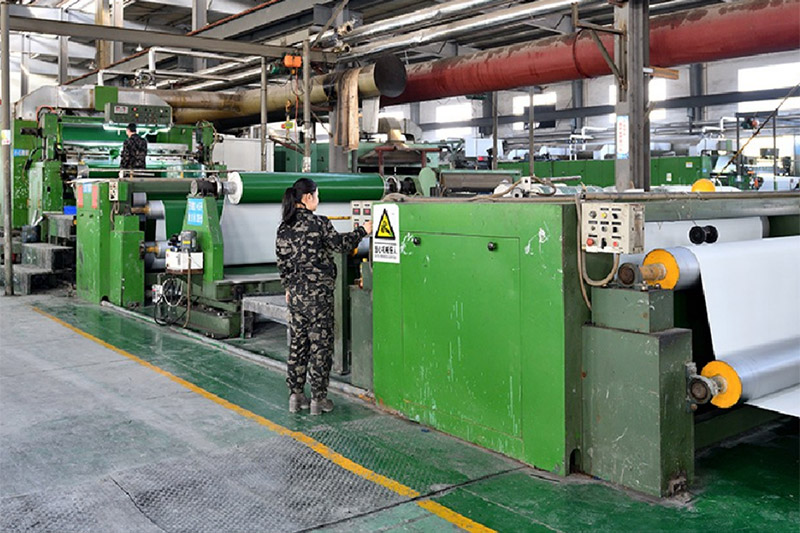
Natural rubber strips, collected from the tapping species, possess a exclusive fusion of properties that establish them indispensable across a varied myriad of fields. Their inherent adaptability empowers them to resume to their original contour after significant modification, a vital point in many utilizations. Furthermore, these layers show exceptional force strength and good protection to friction, even when exposed to alternating degrees. Consequently, you’re likely to come across them employed as vibration reducers in equipment, liners for drums and crates, and even as a ingredient in specific closures. The ability to tailor their stiffness through various treatment methods allows for personalization to serve very defined requirements. Beyond business functions, they're also favored in artisan projects and even specific physical goods, proving variety that few other elements can contend with.
Electrical-resistant Rubber Slab: Thermodynamic & Conductive Conductivity
The capability of specific thermal-blocking sheeting film hinges significantly on its composite warmth and electric qualities. Regulary, these coatings are made from assemblies like polychloroprene, EPDM, or nitrile rubber, each providing a particular balance of endurance to temperature flow and charge movement. Thermodynamic functionality is tested by amounts of thermal diffusivity, reduced numbers denoting greater protection efficacy; a good board will considerably lower heat leakage or gain, upholding constant thermal states. Power insulation is crucial for risk management in numerous purposes, and the rubber’s dielectric withstanding – the peak voltage it can sustain before breakdown – is a essential point to consider. Alterations in board thickness and rubber aggregation immediately alter both powers, affording a flexible method to satisfy specific engineering calls. Furthermore, environmental states like climate and humidity can barely reshape related performance, which compels careful examination during selection.
Acrylonitrile Butadiene Rubber Sheet: Oil & Reactant Defence Information
Electing the proper nitrile copolymer panel for your application centers fundamentally on learning its impressive, yet complex, resistance to various oils and chemicals. Nitrile membranes shine as a general-purpose answer, particularly when facing petroleum-based oils, hydraulic fluids, and many aliphatic hydrocarbons. However, degradation can occur with prolonged exposure to certain chemicals; therefore, thorough testing and careful appraisal of the specific chemical environment are vital. This guide explores common chemical influences and provides a basic understanding – remember, consulting a full chemical correspondence chart specific to your nitrile sheet's formulation is always endorsed for critical sealing applications. For instance, while impressive with mineral oils, certain esters and ketones may present issues, potentially leading to swelling or reduced flexibility. Always ensure specifications before implementing!
Synthetic Composite Longevity & Utility Defined
Neoprene rubber plates offer a remarkable amalgamation of traits, making them exceptionally excellent for a wide array of deployments. This chemical material is renowned for its outstanding resistance to degradation from liquids, airborne chemicals, and exposure radiation. Consequently, this plates maintain their softness and work even when exposed to harsh environments. Beyond their liquid resilience, neoprene’s intrinsic ductility and competence to bear weight without continuing deformation enhance considerably to its aggregate hardiness. Whether you need a guarding layer for engineering equipment, a pleasant padding for recreational gear, or a impermeable barrier, a neoprene rubber sheet affords a steady fix.
Electing Among Earth-derived vs. Engineered Rubber Films
When evaluating resilient slab options, many users face the conflict of which medium appropriately caters to their conditions: natural rubber or neoprene. Natural latex plates are procured directly from polymer flora, and offer exceptional bendability and extension toughness, while simultaneously bearing a relatively eco-friendly profile. Conversely, neoprene, a synthetic compound, is created via a intricate chemical process. This results in a material that's inherently immune to damage from oils, chemicals, and UV exposure – qualities often lacking in natural elastic. Ultimately, the prime selection rests on the specific function and the environmental conditions encountered.
Opting for the Ideal Rubber Board
Opting amid natural, nitrile, or neoprene rubber layers can feel close to a puzzle, but recognizing their individual features makes the process far more direct. Natural rubber delivers excellent elasticity and protection to abrasion, making it proper for applications where suppleness is key; however, it cannot be hold up great with oils or solvents. Nitrile rubber, yet, is known for its oil combined with chemical immunity, a fantastic pick for automotive or industrial settings. Finally, neoprene delivers a particular blend of attributes, including acceptable oil accompanied by weather opposition, coupled with exceptional flexibility – a all-around option for demanding applications.
Enhanced Temperature-Control Sheet Cover Systems
Addressing the ever-increasing demand for reliable thermal efficiency, our state-of-the-art high-operating heat-resistant polymer panel solutions provide exceptional blocking across a comprehensive range of businesses. These expertly-created products offer exceptional resistance to excessive temperatures, hazardous exposure, and structural stress, ensuring long-lasting activity even in difficult environments. Whether you need to secure vital equipment, support maximum performance conditions temperatures, or curtail energy escape, our configurable material cover offerings provide a budget-friendly and strong answer. Besides, our consultant team is immediately available to guide you in deciding on the ideal design for your exclusive expectations.
Nitrile Elastomer Panel for Challenging Industrial Functions
Synthetic NBR elastomer slabs are widely recognized within the industrial sector for their exceptional defense to a ample spectrum of oils, fuels, and chemicals. These durable compounds provide a key barrier in environments where encounter with hydrocarbons and similar substances is commonplace. Beyond simple protection, nitrile sheets offer superior elasticity allowing for use in applications requiring tight seals and custom shapes. From the truck industry to engineering plants, nitrile’s adaptability makes it a chosen choice. The unique blend of properties ensures longevity and reliable performance, minimizing downtime and reducing overall repair costs. Consider nitrile synthetic rubber boards when stable protection is a priority.
Composite Rubber Film: Weathering Resistance and Ductility
An important key advantages of neo-rubber rubber membranes lies in their remarkable weather resistance. These layers demonstrate excellent protection against solar radiation, water vapor and a significant range of chemicals, making them ideal for both indoor and outdoor employments. Furthermore, cryoprene maintains its pliability even under acute temperatures, allowing it to handle fluctuating conditions without splitting or losing its structural stability. This combination of durability and flexibility makes polychloroprene slabs a proven choice across numerous industries, including shipping and physical goods.
The Ultimate Guide to Rubber Sheet Materials: Natural, Nitrile, Neoprene
Selecting the right rubber slab for your operation can be surprisingly difficult. This guide investigates three frequently used choices: natural rubber, nitrile rubber, and neoprene rubber, emphasizing their exclusive properties. Natural rubber, derived from rubber trees, offers excellent elasticity and tensile hardiness, making it suitable for applications like vibration damping and seals. However, it’s vulnerable to oils and weathering. Nitrile rubber, a synthetic copolymer, boasts superior resistance to oils, fuels, and chemicals – a critical factor in automotive and industrial settings; choosing this option furnishes a reliable solution where exposure to hydrocarbons is probable. Finally, neoprene, a closed-cell rubber, shines with its impressive combination of malleability, weather resistance, and insulation capabilities, rendering it perfect for wetsuits, gaskets, and protective gear, providing a safe barrier against numerous environmental factors. The finest choice ultimately depends on the definitive demands of the anticipated environment.
Electing Polymeric Board Decision: Points Impacting Operation
When selecting a polymeric covering for any activity, it’s essential to examine several central factors that straightaway influence its entire effectiveness. The form of aggregate, for instance, dictates opposition to fluids, warmth, and solar exposure. Thickness plays a considerable role in robustness and capability to cope with force. Clip silicone rubber plate Furthermore, the {surface|top|outer