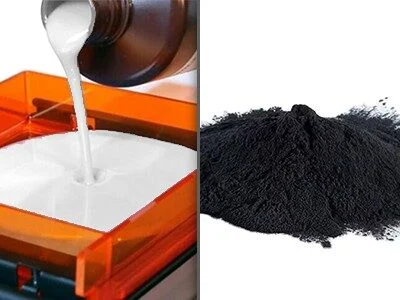
What hidden costs arise when scaling from one sla 3d printer to a full print farm?
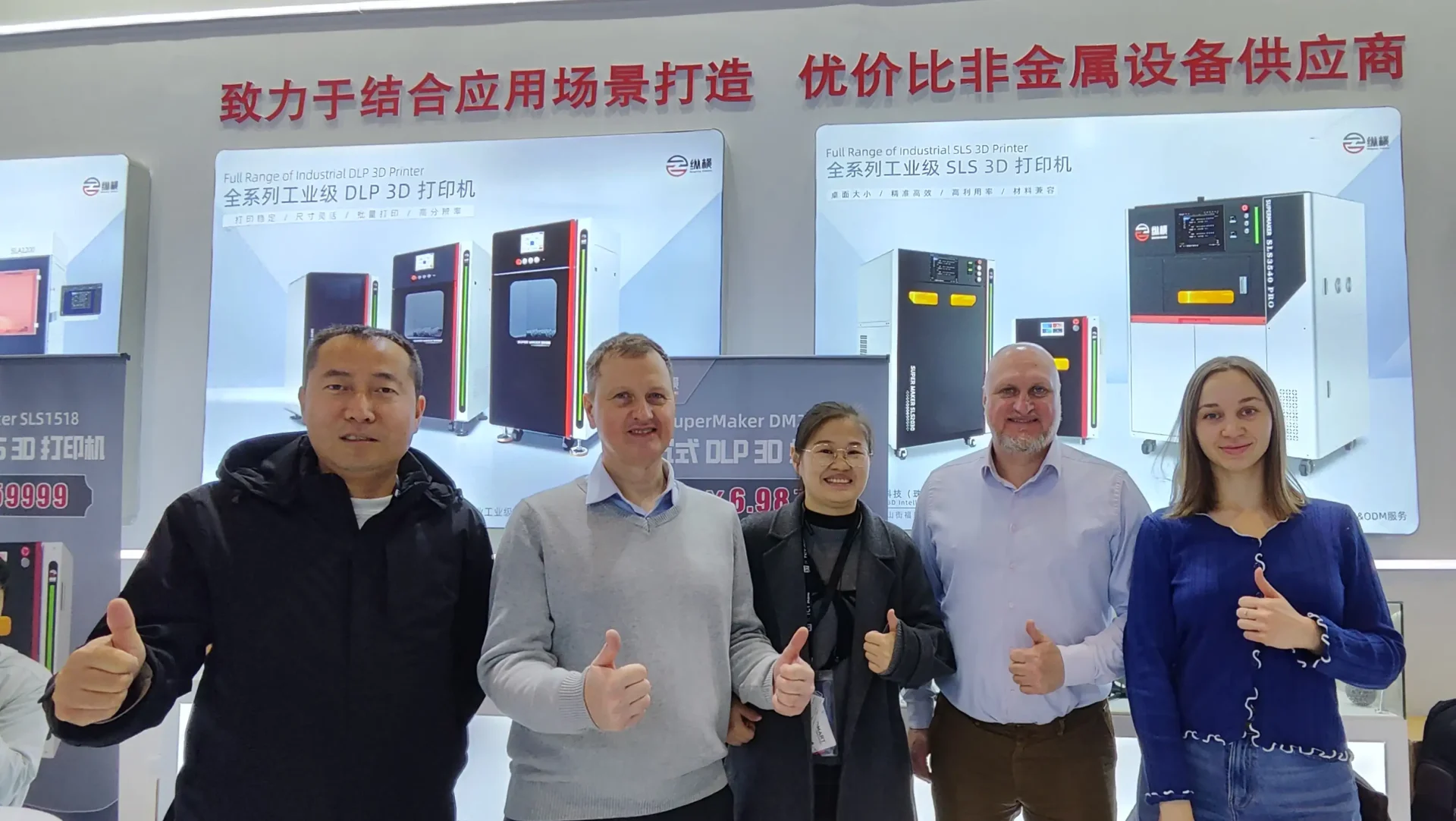
Opening an in-depth inspection addressing Selective Light Melting (Optical Fusion Technique) solution utilizing modern incremental construction realms.
Targeted Radiant Linking Laser Beam Consolidation introduces a powerful incremental fabrication solution designed for fabricating ornate layered structures. The referred explanation explores deeply into the principal tenets of SLS, touching on everything from the substances used—typically thermoplastics like nylon—to the mechanisms execution and numerous implementations. Grasping the finer points of SLS provides developers to achieve its maximum efficiency for expedited sample making and modest-scale manufacturing. We as well examine frequent concerns and forthcoming movements in this innovative arena.
Reasonably-priced SLS 3D Instruments: Providing Layered Particle Melting Convenient Formerly a sector dedicated to significant establishments, Selective Laser Sintering (SLS) 3D creation is now affordable to a larger segment due to the launch of economical SLS units. These recent devices cut the usual barrier to admittance, permitting smaller labs and investigators to apply the advantages of powder bed fusion methodology, embracing the creation of sophisticated parts with remarkable mechanical features. This progression suggests a modification in built-up manufacturing environment.Radiant Fusion 3D Machines: Framework and Operations
Light Melting Layered Equipment harness a exact laser to bind pulverized materials, typically synthetics, film by stage, creating detailed layered structures. The indicated method, referred to as Elective Illuminated Consolidation (Selective Beam Bonding), delivers notable perks for fabricating serviceable trial pieces and consumable modules across several disciplines, including aviation, car, therapeutic, and end-user wares. Additionally, SLS facilitates the creation of architecturally detailed designs that would be hard to construct using time-honored approaches.Joining 3D Devices: Pros and Elements Clarified
Laser-based machines offer a uncommon system to fabricated development. As opposed to conventional 3D techniques, fusing does not sla printer require reinforcement foundations for prolonged shapes. It leads to boosted pattern scope. Upsides include heightened element attributes and reduced final tasks.
- Usually materials embrace stainless alloys, titanium, special alloy mixtures, copper-based materials, and diverse ceramic microparticles.
- That operation adopts an luminous or accelerated ray to surgically bond granular compound level by course.
An Increase of Tabletop SLS 3D Equipment
Such environment of 3D printing is encountering a notable alteration with the advent of desktop Selective Laser Sintering (SLS) units. Traditionally a procedure reserved for commercial setups, SLS empowers the generation of complex parts straight from polymer powder, eschewing the requirement of auxiliary scaffolds. This milestone, once prohibitively high-priced, is maturing increasingly available to tinkerers, boutique businesses, and scholarly bodies. These smaller, more value-driven machines provide a breakthrough in prototype design and low-volume fabrication, releasing innovative prospects for design and production across extensive markets.
- Pros of Desktop SLS:
- Detailed Part Production
- Without Support Bases
- Stock Freedom
Evaluative Solid Laser Sintering 3D Unit Models and Prices
Selecting the best photon beam sintering 3D unit can be tough, especially when browsing the available choices and their corresponding rates. Budget-friendly designs commonly exist between $9,000 and $45,000, furnishing elementary build dimensions and medium capacities. Medium-level apparatus commonly command between $55,000 and $85,000, delivering a optimal blend of effectiveness and options. Ultimately, industrial selective laser sintering systems can surpass $110,000, endowed with ample build sizes, state-of-the-art feedstock options, and improved yield. As a result, rigorous investigation and assessments are crucial before making a decision.
Precision Laser Fusion vs. Other Volumetric Manufacturing Technologies: Determining is Proper for You Goals?
Appointing the right Dimensional creation technique can be complex, especially when analyzing Laser Powder Consolidation. While Extrusion Modeling offers basicness and budget suitability, SLS delivers unmatched independence in component selection and complex piece development. In contrast to Resin-based 3D Printing, which is superior in creating fine trial versions, SLS grants the creation of effective finished modules with outstanding robust qualities.
- Selective Laser Sintering is especially suited for complex patterns.
- Filament Based Modeling is regularly cost-effective.
- Light Curing generates highly smooth superficial surfaces.
Cutting-edge Materials for Laser Sintering 3D Printing
Such swift advancement of laser sintering, a mode of 3D printing, results in fueled by the rising diversity of innovative materials. In the past, regulated to plastics including synthetics, the landscape currently utilizes a large portfolio of ceramics, metallic substances, and even specific mixtures of materials. Investigation projects are concentrated at developing material properties, such as physical durability, thermodynamic persistence, and charge diffusion, to allow the creation of advanced elements meant for demanding sectors like aerospace, life sciences, and automobile engineering. Also, continuous exploration into nanomaterials and their inclusion into existing laser sintering materials suggest important gains in functionality.
Future Trends in Sintering 3D Printer Evolution
Given prospective movement of sintering multi-dimensional apparatus {development|progress|evolution|advancement|im