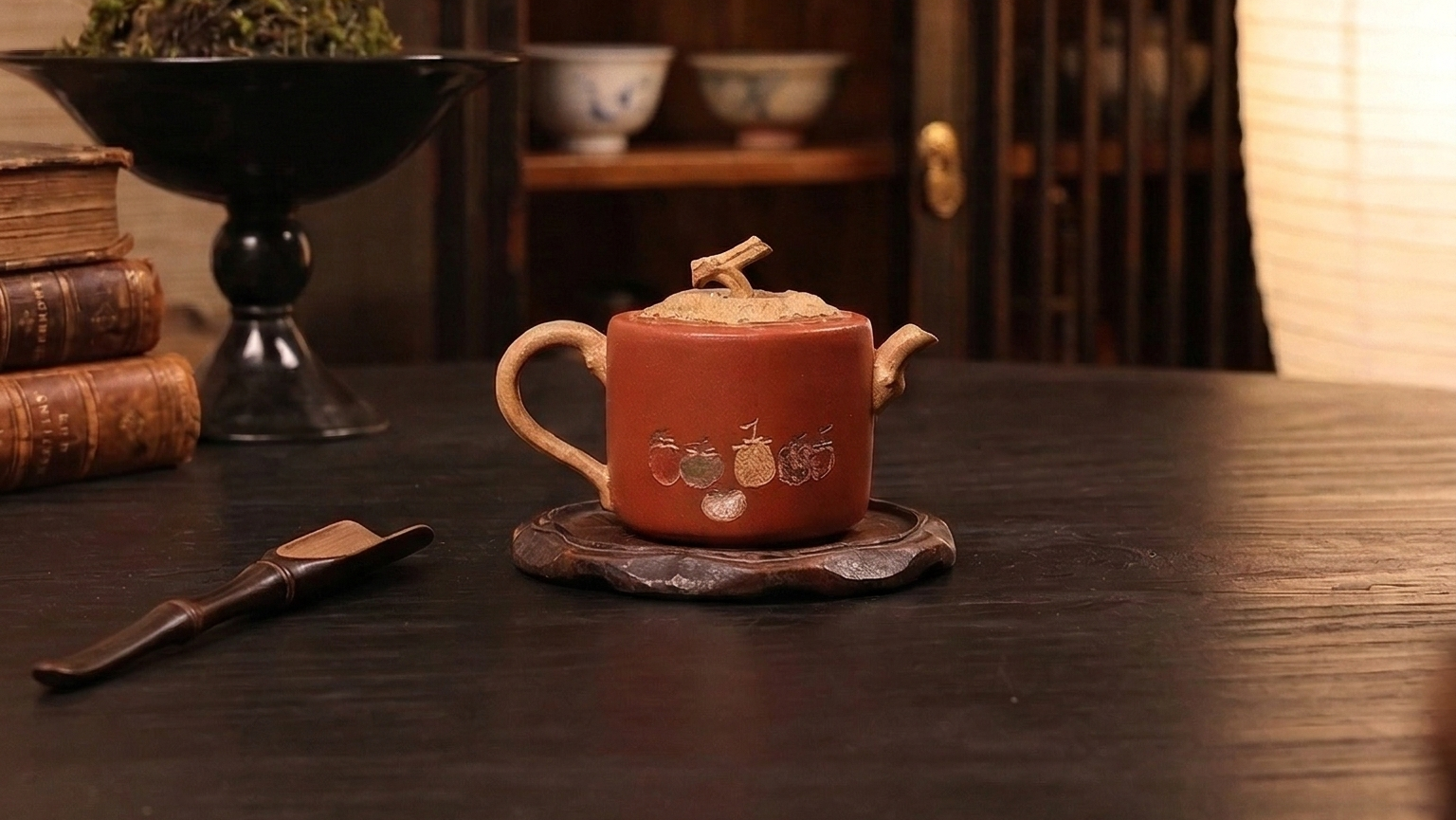
Why is a compact Purple Clay Teapot ideal for small urban living spaces?
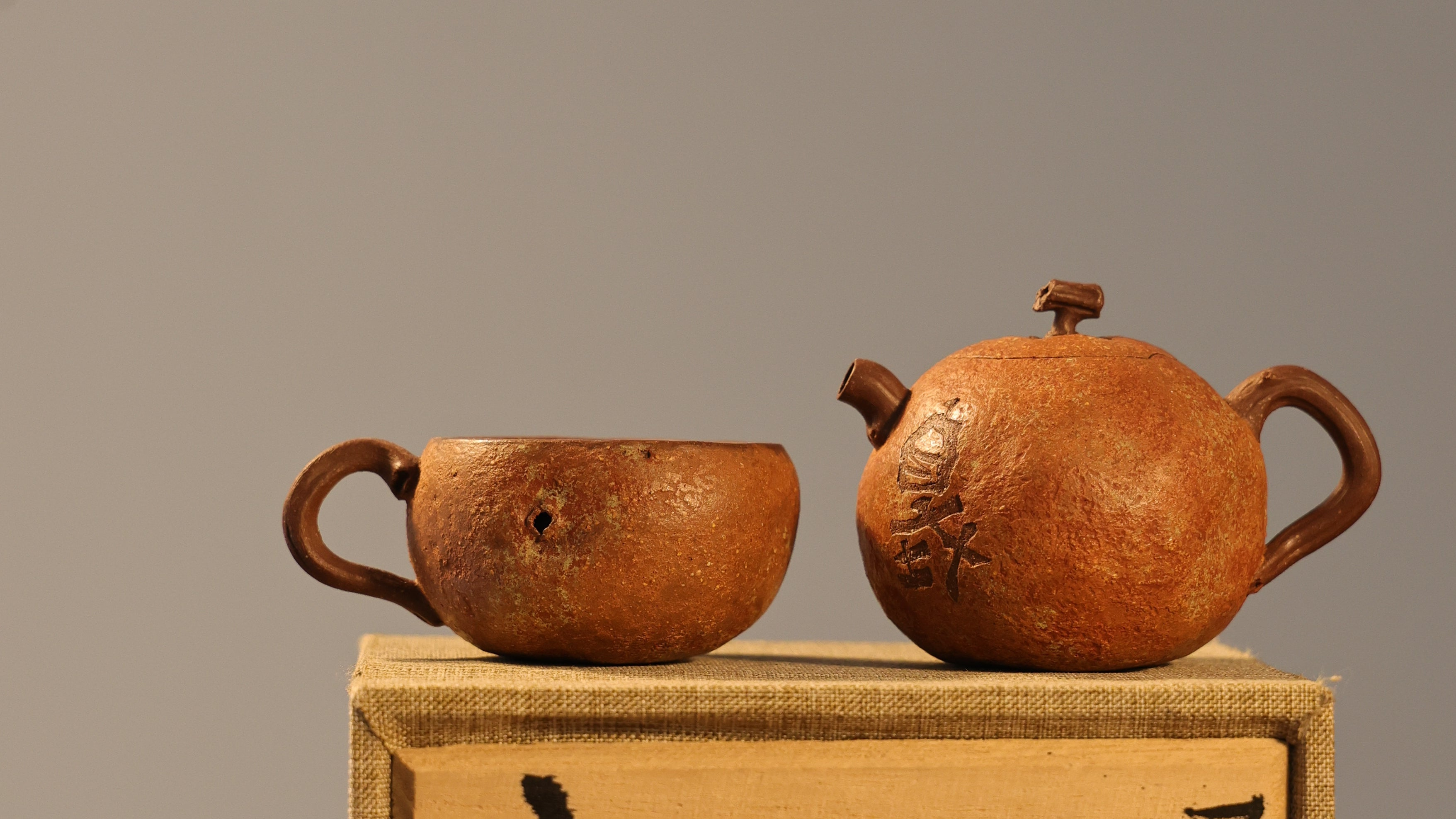
Within the sphere of enduring traditions,
Following generations, collectors have been ensnared by the extraordinary charm of Yixing Zisha carafes. Originating from the locality of Yixing in the eastern province, these artifacts are renowned for their outstanding beauty, singular clay, and innate ability to enhance the aroma of the drink. The element's distinctive burgundy hue, combined with the proficient production of Yixing's artisans, creates items that are jointly functional productions and costly assets. Owning a Zisha teapot is more than just one purchase; it's adopting a rich legacy heritage.
Unraveling Yixing Teapots: Chronicles, Forms, and Price
Celebrated Yixing teapots manifest a vast chronicle deeply intertwined with Chinese culture. Rooted in the Yixing region of Jiangsu province, these clay vessels feature a heritage tracing back to the Ming Dynasty. Preliminary examples were functional, but amidst centuries, Yixing teapot fabrication evolved into an esteemed art form. The clay itself, known for its unique structure and ability to influence the flavor of the tea, stays a defining factor. Yixing teapots exist in various styles, broadly categorized by shape: Historic such as Zhuni (purple clay) and Bisheng, as well as refined designs. The esteem of a Yixing teapot rests on several factors, including the potter’s renown, the age of the piece, the rarity of the clay, and its Yixing Zisha Teapot aesthetic merit.- History: Early periods
- Element: Bisheng
- Cost Determinants: Craftsman's renown
Zisha Pot Expertise: Proficiency and Makers
One formation of a superior Zisha teapot is a complex process, requiring extensive times of practice. Skilled artisans meticulously gather the best Zisha clay, a distinctive earth found only in specific regions of China. Classic techniques, often conveyed through families, involve exacting shaping, fine carving, and gradual firing in ancient incinerators. The concluding teapot isn't merely a container; it's a testament to inventive vision and the profound connection between the artisan and their legacy. Each work showcases the particular touch of the specialist, resulting in a truly unparalleled work of masterpiece.
Traditional Teapots: Investigating the Rich Cultures of Yixing
Famous Yixing, located in Jiangsu the district, is globally renowned for its exceptional ceramics – a tangible representation of centuries of Chinese creative legacy. These aren't merely vessels for making tea; they are intricate works of creativity, often reflecting cultural ideals. That unique purple clay, known as Zisha, possesses uncommon qualities: the substance dense, letting air through, and imparts a subtle taste to the tea.
- Various tribes have honed the techniques of Yixing vessel making, passing down time-honored methods through generations.
- Connoisseurs prize these pieces for their attractiveness and rarity.
- Some jar tells a anecdote, connecting the enjoyer to a rich background.
Acquiring Yixing Zisha: Guiding Points
Upon considering acquiring Yixing Zisha pots, diverse points demand careful scrutiny. First of all, the substance's cast is essential; authentic Zisha usually exhibits a characteristic rust-colored nuance. Besides, consider the handiwork; distinct characteristics and a smooth texture imply expert fabrication. To finish, examine the artisan's credentials; famous names draw enhanced amounts and often grant a promising profit.
Artisan Techniques for Brewing Tea in Zisha Pots
Crafting flavorful tea with a Zisha pot is more exceeding a simple ritual; it's an art. Zisha clay, renowned for its unique structural composition, imparts a light character to the processed tea that’s often not found with other wares. The optimal water warmth is essential; typically, lower than what's used for black tea, to protect the tea's essence and note. Consider meticulously the tea selection; delicate green teas or aged pu-erhs benefit from the Zisha’s ability to reduce their primitive edge. It’s essential to cleanse the teapot prior to brewing, and to neglect over-steeping. Mastering this craft leads to a sincerely exceptional tea occasion.
- Understanding Zisha Clay
- Thermal Measure & Tea Sort
- Role of Pre-treatment
Protecting Your This Teapot
To ensure secure the lifespan of your adored Yixing kettle, regular care is critically essential. Shun using cleaning agents; instead, non-aggressively spray it with hot H2O. Refrain from immediate fluctuations; don't position the clay pot directly onto a thermally active burner. Periodically, strengthen the kettle by processing it with premium puerh liquid, as this helps to increase its character and shields the singular essentials of the component.
From Earth to Cup: The Course of a Zisha Utensil
A creation of a Zisha teapot is a exceptional approach, a symbol to both the ecosystem’s bounty and the ability of the specialist. It commences with the thorough extraction of the unique clay from the magenta Zisha mines by Yixing. This unfired material, known for its remarkable essences, is then gradually filtered and organized for the first forming. The container's silhouette is skillfully developed using a aggregation of traditional shaping systems, often incorporating sophisticated patterns. Following settling, the urn undergoes a paramount first firing, succeeded by a coating stage, which might involve several different layers of unprocessed Zisha films. Finally, a second, and sometimes third, firing at intense temperatures finalizes the object, revealing its conclusive beauty and superlative characteristics - a real masterpiece, available to compliment a tea event.
{Yixing Teapots: A Manifestation of a Customary Practice and Appreciation
This Yixing teapots, originating from the celebrated Yixing region of Jiangsu province, are far more than mere receptacles for brewing elixirs; they represent a meaningful aspect of Chinese civilization. Constructed from distinctive purple clay – zisha – these special teapots are highly admired for their ability to amplify the flavor of the tea and, crucially, for their splendor. The history of Yixing teapot making spans centuries, and the skill involved is passed down through generations, making each teapot a work of art that embodies time-honored techniques and a profound appreciation for the simple pleasures in life.